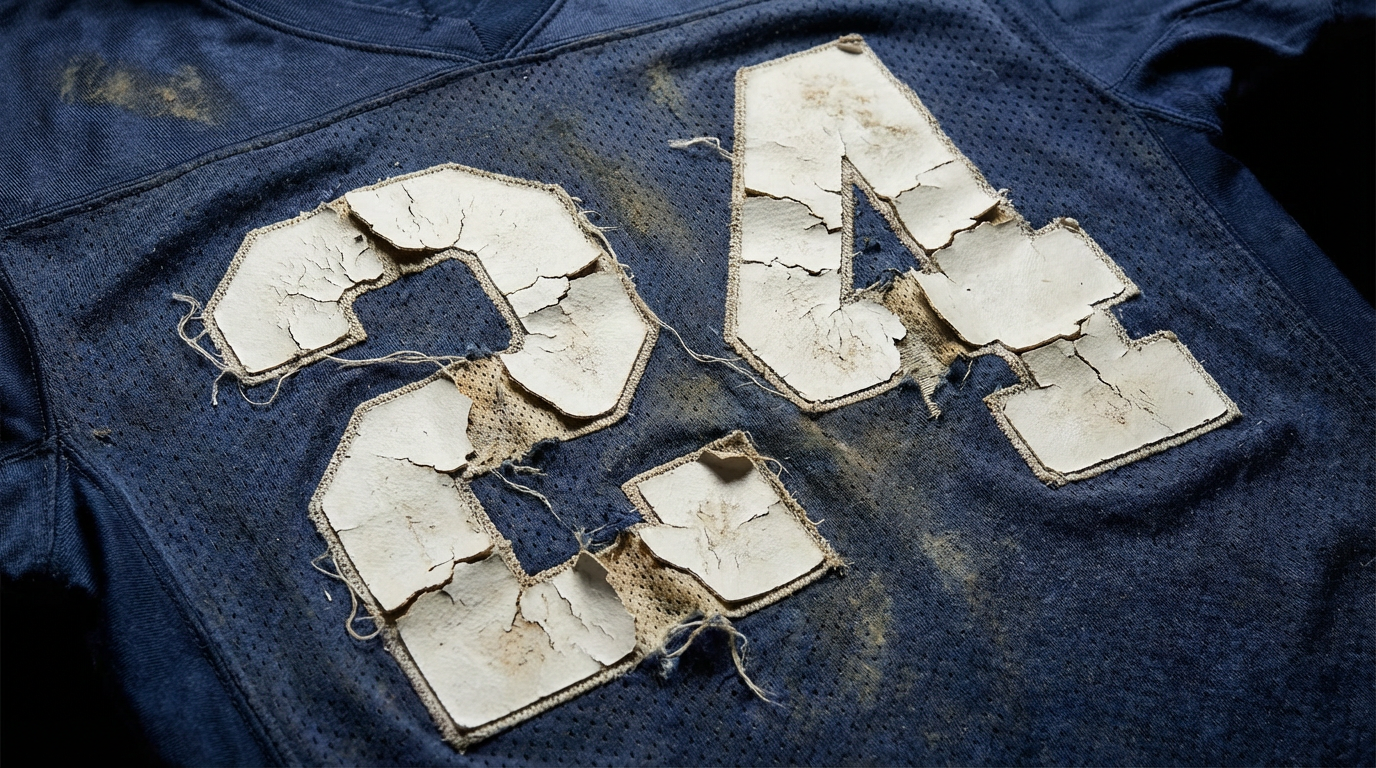
There’s nothing worse than seeing your team take the field in jerseys that look like they were made in a basement. You know the look: numbers peeling off after two washes, stiff ink that sticks to your chest in the summer heat, or colors that don’t match your team logo.
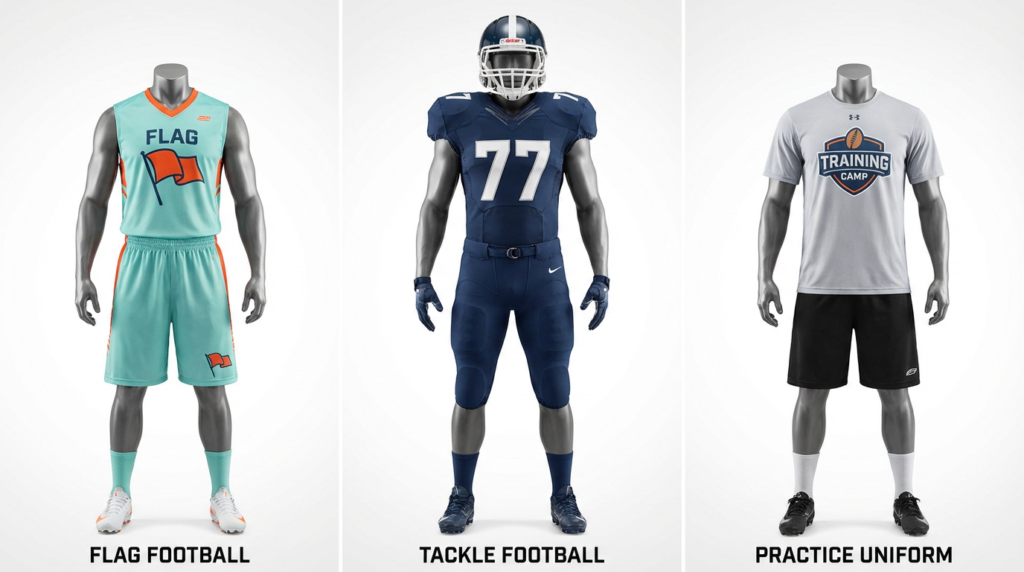
Ordering custom football jerseys is a big responsibility. Whether you are a coach managing a tight school budget, a league organizer needing 500 shirts fast, or a captain designing a Flag Football kit, the pressure is on you to get it right.
But when you visit a manufacturing site, you are bombarded with terms like “Dye Sublimation,” “Screen Printing,” and “Tackle Twill.” What’s the difference? Why is one double the price of the other? And most importantly, which one will survive a full season of tackles and sweat?
We believe you shouldn’t need a degree in textile engineering to order great uniforms. In this guide, we’ll break down the three most popular printing methods, comparing their cost, durability, and performance, so you can make the winning call for your team.
The 30-Second Decision Guide
In a rush? Don’t have time to read the deep dive? Here is the quick answer.
Choosing the right method comes down to three factors: Budget, Design Complexity, and Intended Use.
Quick Comparison Table
| Feature | Screen Printing | Dye Sublimation | Tackle Twill (Stitched) |
|---|---|---|---|
| Best For | Budget / Simple Logos | Complex Designs / Lightweight | Pro Look / Durability |
| Cost | Low ($) | Medium ($$) | High ($$$) |
| Durability | Moderate (Can crack) | High (Never fades) | Extreme (Heavy duty) |
| Breathability | Low (Ink blocks pores) | Excellent (Zero texture) | Medium (Heavy patches) |
| Feel | Plastic/Rubber feel | Soft (Feel of fabric) | Premium/Textured |
| Ideal Sport | Practice / Events | Flag Football / 7v7 | Tackle Football / Baseball |
The Decision Cheat Sheet:
- Choose Screen Printing if: You have a limited budget, need a large bulk order for an event, and your design only has 1 or 2 colors.
- Choose Sublimation if: You play Flag Football, want crazy patterns (camo, gradients), need the jersey to be ultra-lightweight, or want individual player names included in the price.
- Choose Tackle Twill if: You are outfitting a varsity Tackle Football team, want the authentic “NFL style” look, and have a higher budget for uniforms that need to last multiple seasons.
What is Screen Printing? (The Budget Option)
If you have ever owned a standard graphic t-shirt or a local little league uniform, chances are it was screen printed. It is the most traditional method in the industry, and for decades, it was the only option.
How It Works: Think of it like using a stencil. A mesh screen is created for your design (one screen for every color). A thick layer of plastisol ink is then pushed through the screen and onto the surface of the fabric. The jersey is then passed through a dryer to cure the ink.
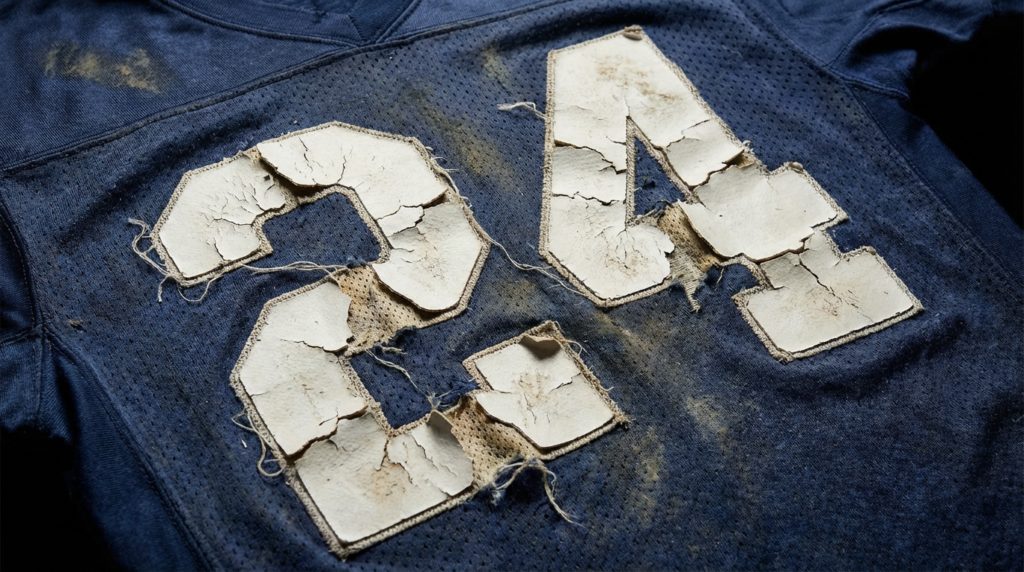
It sits on top of the jersey, rather than becoming part of it.
The Pros: Why Choose Screen Printing?
- Cost-Effective for Bulk: This is the biggest selling point. Once the screens are made (setup cost), printing 100 shirts is significantly cheaper per unit than printing 10. If you are outfitting a massive league or a charity event, screen printing is the king of the budget.
- Vibrant Solid Colors: The ink is thick and opaque, meaning a bright yellow logo will pop vividly even on a black jersey.
The Cons: The “Cracking” Reality
- The “Sweat Patch” Effect: Because the ink sits on top of the fabric, it clogs the pores of the mesh. If you have a large logo on your chest, that area won’t breathe. In the heat of a game, it can feel like wearing a plastic patch against your skin.
- Durability Issues: Over time, screen printing is prone to cracking and peeling. We’ve all seen those old jerseys where the number looks like a cracked sidewalk. This happens as the fabric stretches during play, but the dried ink does not stretch with it.
Verdict:
Screen printing is strictly a value play. We recommend this method primarily for practice jerseys, fan merchandise (spirit wear), or one-off events where long-term durability isn’t the priority. If you need a simple, 1-color logo on a budget, this is your go-to.
What is Dye Sublimation? (The Design King)
If Screen Printing is the “old school” method, Dye Sublimation is the modern revolution. It has completely changed the game for sports uniforms, especially for Flag Football and 7v7 leagues.
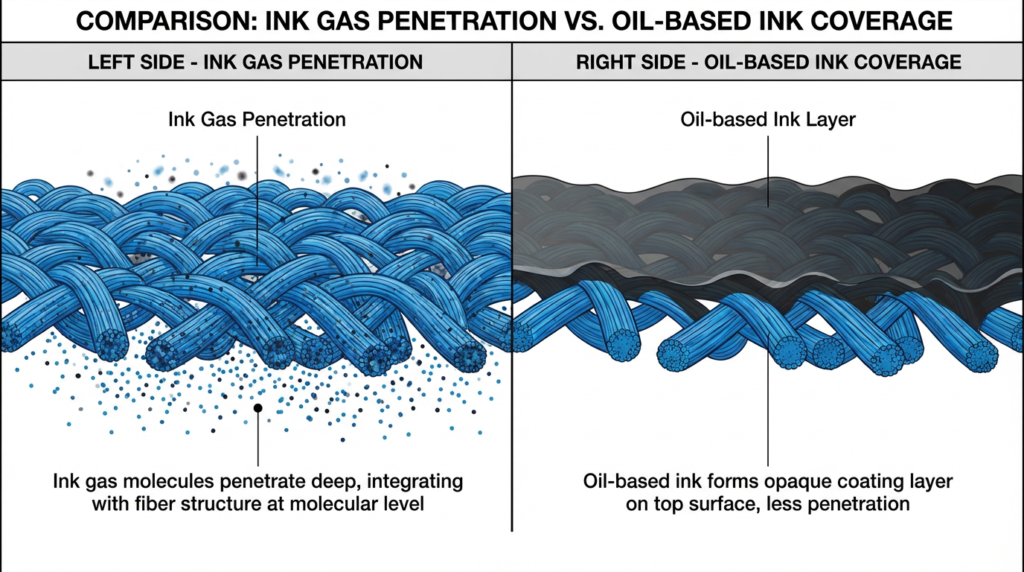
How It Works: The science here is fascinating. Instead of putting ink on top of the fabric, sublimation uses heat and pressure to turn special ink into gas. This gas bonds directly with the polyester fibers of the jersey.
Think of it like a tattoo for the fabric, whereas screen printing is more like a sticker. Once the process is done, the image is permanently part of the shirt.
The Pros: Why Athletes Love It?
- Zero “Hand Feel” & Maximum Breathability: Since the ink is infused into the fabric, you can’t feel it. If you run your hand over the logo, it feels just like the rest of the shirt. This means the jersey stays 100% breathable and lightweight, no matter how big your design is.
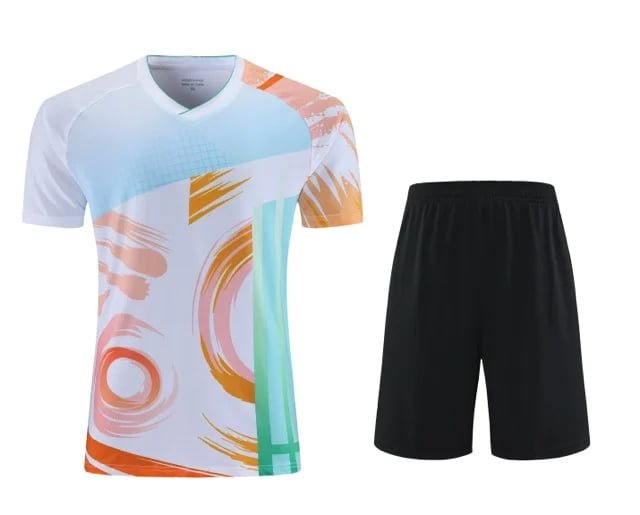
- Unlimited Customization: Want a camouflage pattern? A galaxy background? Gradient fading from neon green to black? With sublimation, you are not charged per color. You can print photorealistic designs all over the jersey (front, back, and sleeves) for one flat price.
- Indestructible Design: Because the design is the fabric, it is physically impossible for it to crack, peel, or fade. You can wash these jerseys hundreds of times, and they will look exactly the same as day one.
The Cons:
- Material Limits: It only works on polyester fabrics (which is fine for sports, but not for cotton t-shirts).
- Price: It is generally more expensive than screen printing for simple designs, but often cheaper than tackle twill.
Verdict:
This is the gold standard for Flag Football teams and anyone who wants a “loud” design without the heavy weight. If your team wants to stand out with unique patterns or complex logos, we highly recommend Sublimation. The full-dye process allows you to include player names, numbers, and as many sponsor logos as you want—all included in the base price, with zero hidden fees for extra colors.
What is Tackle Twill? (The Pro Standard)
If you turn on the TV to watch an NFL or NCAA game, this is what you are seeing. Also known as “Sewn On” or “Stitched,” Tackle Twill is the traditional, heavy-duty method for premium sports uniforms.
How It Works: This is a craft, not just a print. Pieces of durable nylon or polyester twill fabric are cut into the shapes of your letters and numbers. These pieces are then physically sewn onto the jersey using a robust zig-zag stitch (often called a “satin stitch”).
It’s called “Tackle” Twill for a reason—it’s built to survive contact.
The Pros: The “Authentic” Look
- Extreme Durability: This is the toughest customization method available. The numbers are stitched through the jersey fabric, meaning they won’t peel, crack, or fade. You could theoretically tear the jersey apart, and the numbers would still be intact.
- Premium Aesthetics: There is a 3D texture and a slight shine to the twill fabric that screen printing and sublimation just can’t mimic. It looks professional, catches the stadium lights, and feels expensive.
The Cons:
- Weight & Heat: All those extra layers of fabric and thread add weight. In extremely hot weather, a fully stitched jersey can feel heavier and less breathable than a sublimated one.
- Cost: Because of the labor involved (cutting and sewing), this is the most expensive option.
Pro Tip: The Hybrid Option (Sublimated Twill) Want the detailed pattern of sublimation but the sewn-on look of tackle twill? Ask for “Sublimated Twill.” This involves printing a pattern (like a camo or leopard print) onto the twill fabric first, and then sewing that fabric onto the jersey. It’s a rare feature that makes a team look incredibly unique.
Verdict:
Tackle Twill is the only choice for Varsity High School teams, College programs, or full-contact adult leagues. It commands respect on the field. We pride ourselves on providing “Pro-Stitch” quality, using reinforced double-stitching on all Tackle Twill orders to ensure that no matter how hard you get hit, your jersey stays looking championship-ready.
The Final Verdict: Which Method Should You Choose?
Still on the fence? Let’s simplify the decision based on who you are and what you play. Here is our cheat sheet for the most common scenarios we see:
- Scenario A: The “Flag Football” or 7v7 Team
- Recommendation:Dye Sublimation.
- Why: Flag football is all about speed and agility. You don’t want a heavy stitched jersey weighing you down. Plus, the culture of flag football loves flashy, colorful designs. Sublimation lets you go wild with patterns without affecting the jersey’s performance.
- Scenario B: The High School Tackle Team
- Recommendation:Tackle Twill (Game Day) + Screen Print (Practice).
- Why: This is the smart budget play. Invest in durable Tackle Twill for the Friday night games where looking pro matters. But for the daily grind of practice, save money by ordering cheap Screen Printed mesh jerseys that can get dirty and beaten up.
- Scenario C: The Event Organizer / Spirit Wear
- Recommendation:Screen Printing.
- Why: If you are organizing a corporate touch football tournament or making shirts for parents to wear in the stands, durability takes a backseat to price. Screen printing gives you a unified look for a fraction of the cost.
Care & Maintenance: Keep Your Jerseys Looking New
Ordering the jerseys is just step one. Making them last through the season is step two. Share these rules with your players (or their parents!) to avoid ruining your new gear.
- How to Wash Screen Printed Jerseys:
- Rule #1: Always turn the jersey inside out before washing. This protects the ink from rubbing against other clothes.
- Rule #2: Cold water only. Hot water can soften the ink and cause cracking.
- Rule #3:NEVER put them in the dryer. The heat will melt the plastisol ink. Hang dry only.
- How to Wash Tackle Twill Jerseys:
- Rule #1: Use the “Gentle” or “Delicate” cycle. Aggressive spinning can cause the stitching to fray over time.
- Rule #2: Air dry is best. If the heavy twill numbers get too hot in a dryer, they can shrink or warp, creating a “bacon” look (wavy numbers) that you can’t fix.
- How to Wash Sublimated Jerseys:
- The Good News: These are the easiest to clean. You can machine wash and dry them without worrying about fading.
- The One Danger:Velcro. Keep sublimated jerseys away from velcro strips (like on flags or gloves) in the wash. Velcro can snag the polyester fabric and cause “pilling” (little fuzzballs).
Pro Tip: Lost track of these rules? Don’t worry. Every order from us comes with a digital care guide you can forward to your team group chat, ensuring your investment stays fresh from Game 1 to the Championships.
Conclusion: Build Your Championship Look with Coolwarekits
We’ve broken down the pros and cons, compared the costs, and analyzed the durability. By now, you should have a clear winner in mind for your team:
- Need unlimited designs and lightweight performance for Flag Football? Go with Sublimation.
- Working with a tight budget for a large event or practice squad? Stick with Screen Printing.
- Want that authentic, heavy-duty NFL feel for the varsity team? Invest in Tackle Twill.
But knowing the difference is only half the battle. The real game changer is seeing your team’s colors and logo come to life on the fabric.
Don’t let a generic look hold your team back. Whether you are fighting for the league trophy or just gearing up for a weekend tournament, your jersey is your armor. At Coolwarekits, we combine professional-grade manufacturing with an easy-to-use customization experience.
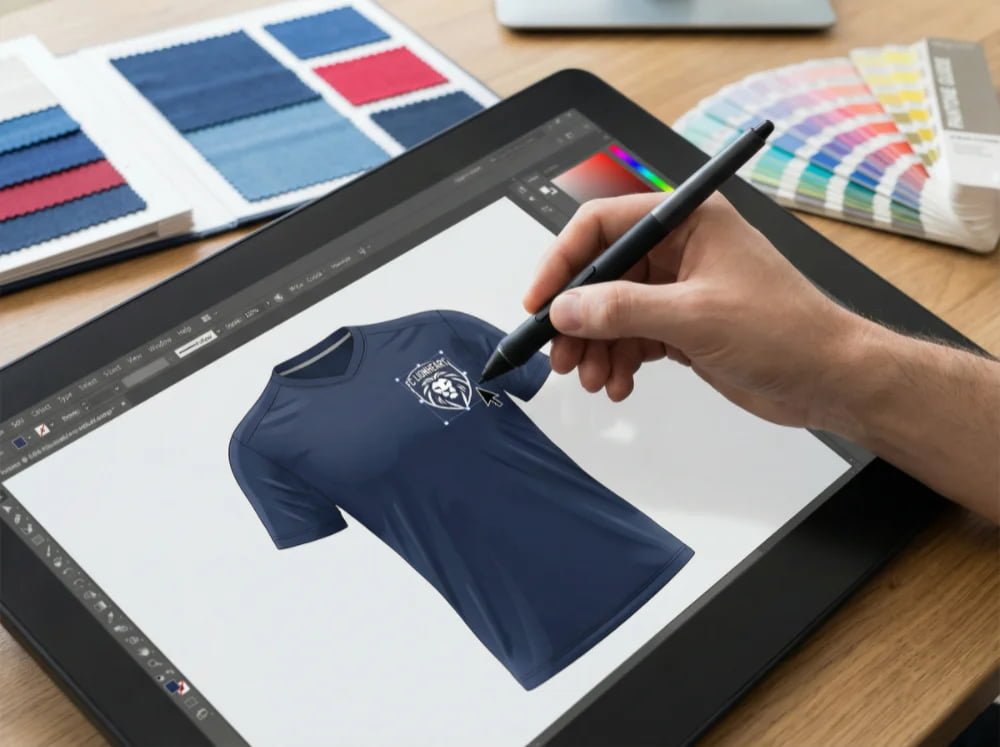
Ready to bring your vision to life? Stop guessing what your uniforms might look like. Use the Coolwarekits 3D Online Builder to visualize your design in real-time. Upload your logo, swap colors, and see the difference between textures instantly—no design skills required.
Frequently Asked Questions (FAQ)
Q: Can you sublimate on cotton t-shirts?
A: No. Dye sublimation relies on a chemical bond with polymers, so it only works on polyester fabrics. If you want a cotton feel with a printed design, Screen Printing or Direct-to-Film (DTF) transfer is your best bet.
Q: Why is Tackle Twill more expensive than other methods?
A: It is labor-intensive. Each letter and number must be physically cut from fabric and individually sewn onto the jersey by a machine operator. You are paying for the craftsmanship and the durability of the materials.
Q: Does Coolwarekits offer sample jerseys before I order for the whole team?
A: Yes! We understand that seeing is believing. You can order a blank sample kit to check our sizes and fabric quality, or order a single custom sample to see your design in person before committing to a bulk order.
Q: What is the turnaround time for custom football jerseys?
A: Generally, Screen Printing is the fastest (2-3 weeks). Sublimation takes about 3-4 weeks due to the printing and sewing process. Tackle Twill takes the longest (4-5 weeks) because of the detailed stitching work. Need it faster? Ask about our Rush Order options.
References & Further Reading
To ensure the technical accuracy of this guide, we referenced the following industry standards and technical comparisons:
Technical Comparison (Screen vs. Sublimation): Screen Printing vs Dye Sublimation: Which is Best for Your Project? – Anatol Equipment
Fabric Standards: What is Tackle Twill? A Comprehensive Guide – Hockey Monkey
Durability Benchmarks: How Long Does Screen Printing Last? Factors and Expectations – Thrive Screen Printing
Process Differences: Sublimation Printing vs. Screen Printing: 14 Key Differences Explained – Weft Apparel