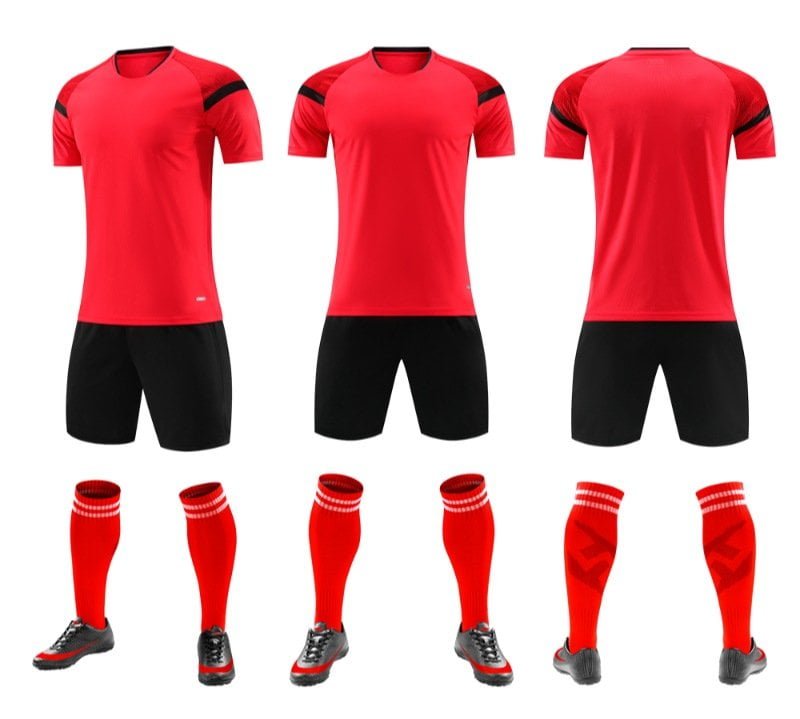
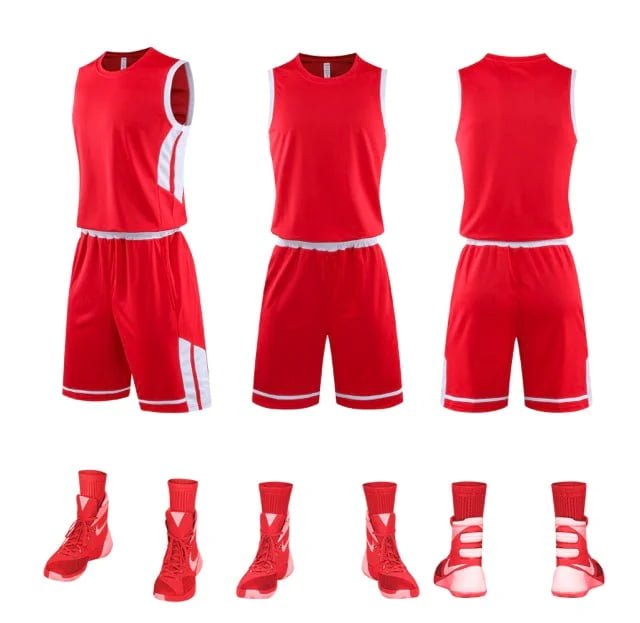
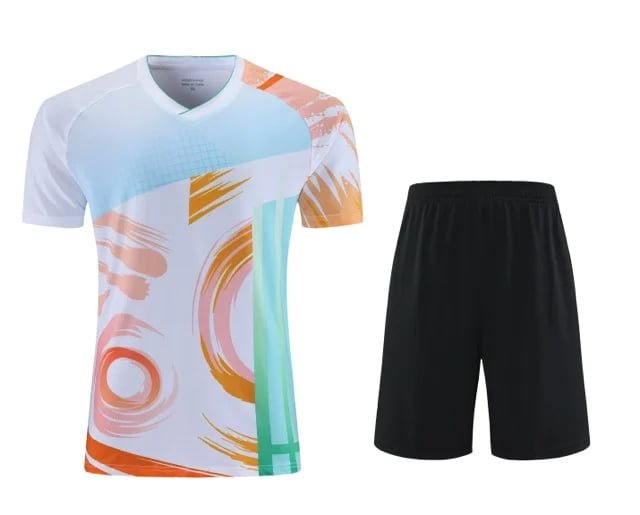
In my years working with athletic teams, I’ve seen countless players invest in high-end designs only to have their jerseys become unwearable after a single season. The culprit isn’t usually the soap or the sweat—it’s the fabric. Choosing the right material is the difference between a jersey that feels like a second skin and one that feels like a plastic bag. At Coolwarekits, we believe that professional-grade performance starts at the fiber level. If you aren’t prioritizing moisture management and yarn structure, you aren’t just losing comfort; you’re losing your competitive edge.
Guide to High-Performance Fabrics
The Science of “The Stink”: Why Some Fabrics Fail
Many off-the-shelf basketball uniforms use low-grade circular knit polyester. While it looks shiny, it lacks the capillary action needed to move sweat. When sweat sits trapped in the fibers, it creates a breeding ground for Staphylococcus hominis—the bacteria responsible for that “permanent locker room smell” that won’t wash out. According to studies by the American College of Sports Medicine (ACSM), bacterial growth in textiles is directly linked to moisture retention levels in the yarn.
1. Moisture-Wicking Polyester (The Industry Standard)
Most professional custom basketball uniforms today are made from specialized polyester blends. Unlike cotton, which absorbs up to 25% of its weight in water, synthetic performance polyester absorbs less than 1%. This ensures the garment stays lightweight even during a double-overtime game.
- Pros: Rapid evaporation, lightweight, and retains shape.
- Cons: Can feel “scratchy” if the GSM (Grams per Square Meter) is too low.
- Best For: Soccer, Basketball, and Marathon running.
2. Honeycomb Mesh (Maximum Ventilation)
Honeycomb mesh features a unique hexagonal knit pattern that creates micro-vents throughout the garment. Research in the IEEE Xplore library regarding smart textiles indicates that structured mesh can increase airflow to the skin by up to 30% compared to solid knits. Have you noticed how elite teams use mesh side panels to regulate core temperature?
- Pros: Incredible breathability; visual “tech” texture.
- Cons: Lower snag resistance (can get caught on Velcro).
- Best For: High-intensity play and summer youth basketball uniforms.
3. High-Elasticity Lycra/Spandex (The Power of Compression)
When movement requires zero resistance, Lycra is king. It can stretch up to 5 to 8 times its original size. At Coolwarekits, we often blend Lycra with polyester to provide “muscle memory” to the garment. This is why our base layers snap back to shape after every tackle. However, be careful—these fibers are sensitive to high heat; never put them in a hot dryer!
Comparison Table: Sports Fabrics at a Glance
| Fabric Type | Breathability | Stretch Factor | Best Use Case |
|---|---|---|---|
| Micro-Fiber Poly | High | Moderate | All-purpose team sports |
| Honeycomb Mesh | Maximum | Low | Summer leagues / Side panels |
| Lycra Blends | Moderate | Maximum | Compression / Wrestling |
Technical Specs: What to Look For (GSM)
When you design your own soccer uniform or basketball kit, pay attention to the GSM. This measurement determines the weight and durability of the basketball uniform. According to ISO textile weight standards, choosing the wrong GSM can lead to premature tearing or overheating.
- 140-160 GSM: Ideal for lightweight summer soccer or running.
- 180-220 GSM: The “Sweet Spot” for youth basketball uniforms and volleyball.
- 250+ GSM: Necessary for high-impact sports like Rugby or Hockey.
Summary: Making the Right Choice
Don’t let your team be held back by “sticky” jerseys. High-performance fabrics like those we use at Coolwarekits are engineered to pull moisture away through capillary action. Are you ready to upgrade your team’s comfort and edge?
Contact Coolwarekits today to explore our fabric swatches and start your custom design!