
Training sessions have traditionally taken place indoors or on standard sports fields.
Controlled environments make scheduling easier and allow coaches to organize activities efficiently.
But recently, many sports academies and youth performance programs have started bringing some sessions outdoors.
The reason goes beyond simply changing locations.
Coaches increasingly recognize that training environments can influence how young athletes move, focus, learn, and enjoy physical activity.
For children especially, the space around them often matters as much as the exercises themselves.
Movement Looks Different Outdoors
Many coaches notice an interesting pattern during outdoor sessions.
Children often become:
- More energetic
- More willing to participate
- More active
- More creative in movement
Compared with enclosed spaces, outdoor environments naturally encourage movement exploration.
With more space available, young athletes often feel more comfortable:
- Running
- Changing direction
- Jumping
- Reacting
- Competing
Instead of feeling restricted, they tend to move more naturally.
Fresh Air and Open Space Can Improve Engagement
Sports performance is not only about physical ability.
Attention and engagement also matter.
Long indoor sessions sometimes create mental fatigue, especially for younger age groups.
Outdoor environments introduce natural changes such as:
- Sunlight
- Open surroundings
- Different movement patterns
- Visual variety
These changes can help training feel less repetitive.
For youth athletes, enjoyable sessions often lead to better long-term participation.
Why Confidence Matters in Youth Training
One important goal of youth sports programs is helping athletes build confidence.
Children often learn faster when they feel comfortable experimenting and moving freely.
Training activities designed around:
- Agility
- Reaction speed
- Coordination
- Movement challenges
- Team interaction
can help encourage participation in a low-pressure environment.
Many coaches find that confidence often develops through positive movement experiences rather than repetitive drills alone.
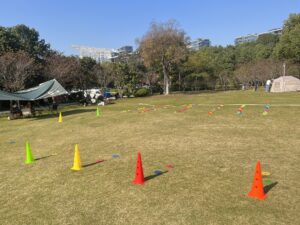
Training Equipment Helps Structure Outdoor Sessions
Although outdoor environments offer more freedom, structured activities are still important.
Training equipment often helps organize sessions more effectively.
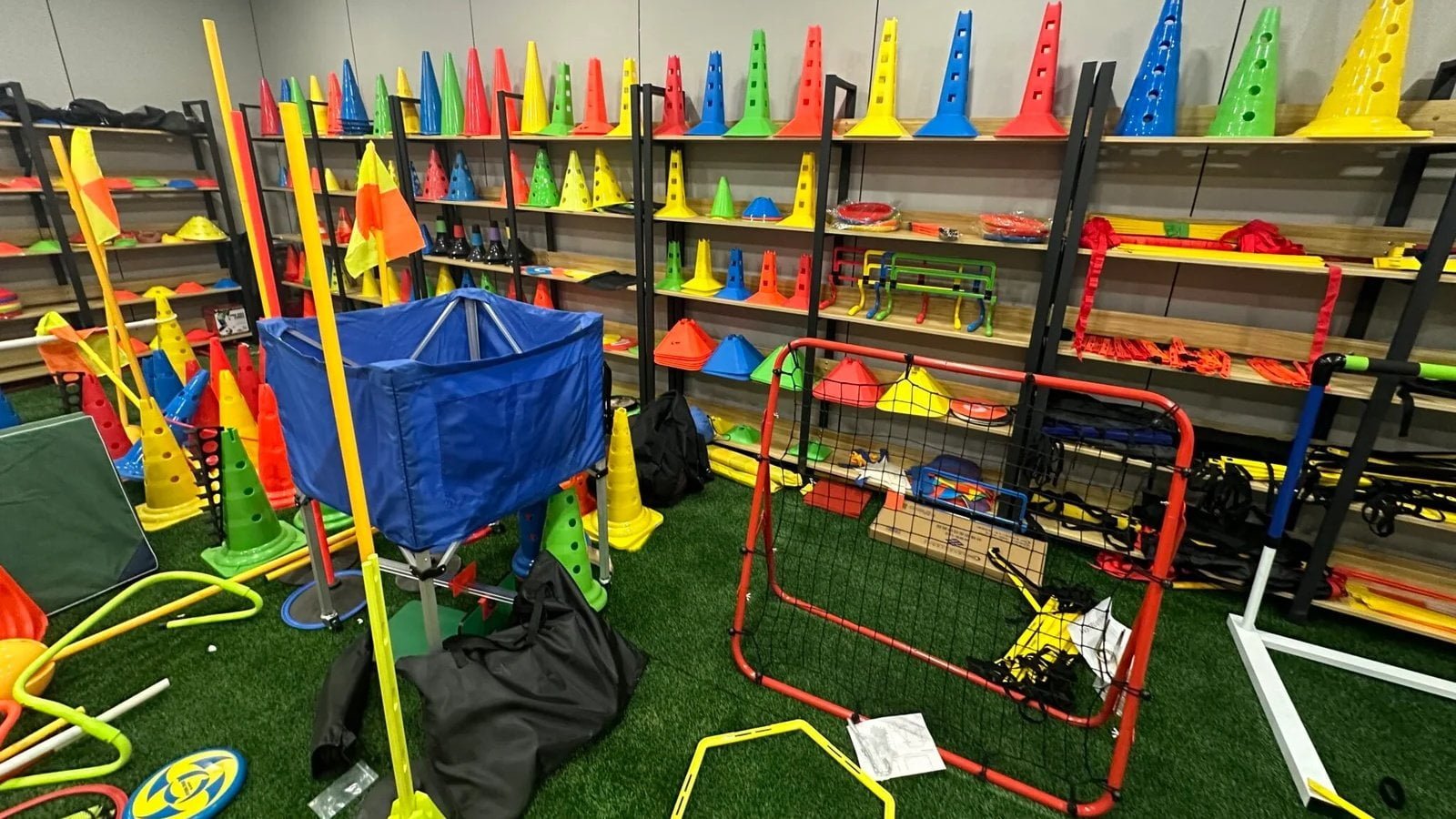
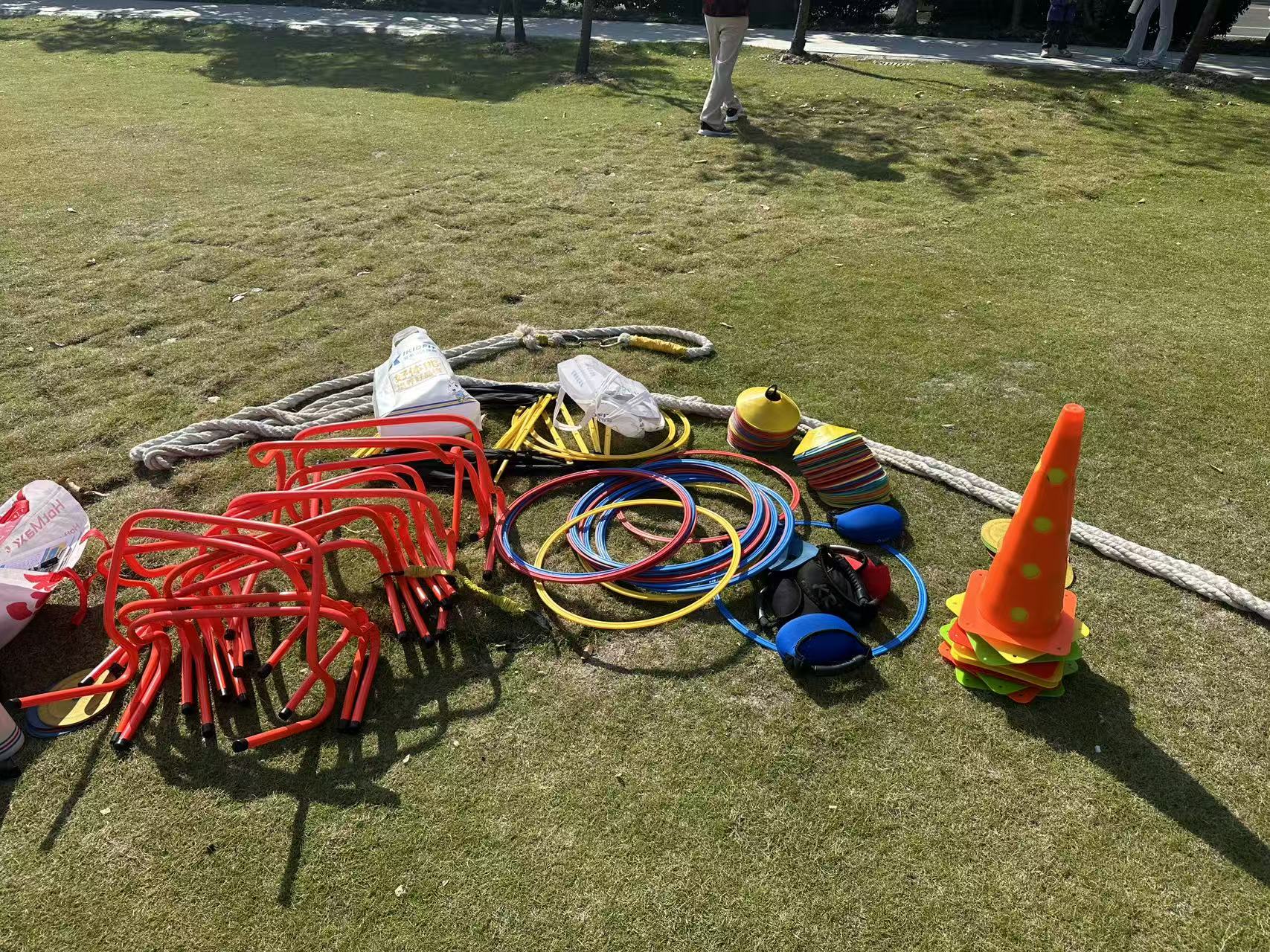
Common tools include:
- Agility ladders
- Marker cones
- Training hurdles
- Speed rings
- Team vests
- Reaction equipment
These tools help coaches create activities that remain organized while keeping sessions engaging.
For academies and youth training programs, equipment flexibility also allows exercises to be adjusted for different age groups and skill levels.
Why More Academies Are Combining Fitness With Enjoyment
Youth sports development continues changing.
Today many programs are shifting away from training approaches focused only on repetition.
Instead, many coaches aim to balance:
- Skill development
- Physical performance
- Athlete enjoyment
- Confidence building
- Long-term participation
Because for younger athletes, enjoying movement itself is often the first step toward improving performance.
The Environment Can Influence Training Experience
Most people focus mainly on drills and equipment when discussing sports performance.
But training environments also play an important role.
The combination of:
- Physical activity
- Open space
- Social interaction
- Natural surroundings
can create a different experience for young athletes.
For many sports programs, outdoor sessions are becoming more than just an occasional activity — they are becoming another tool for creating positive learning environments.