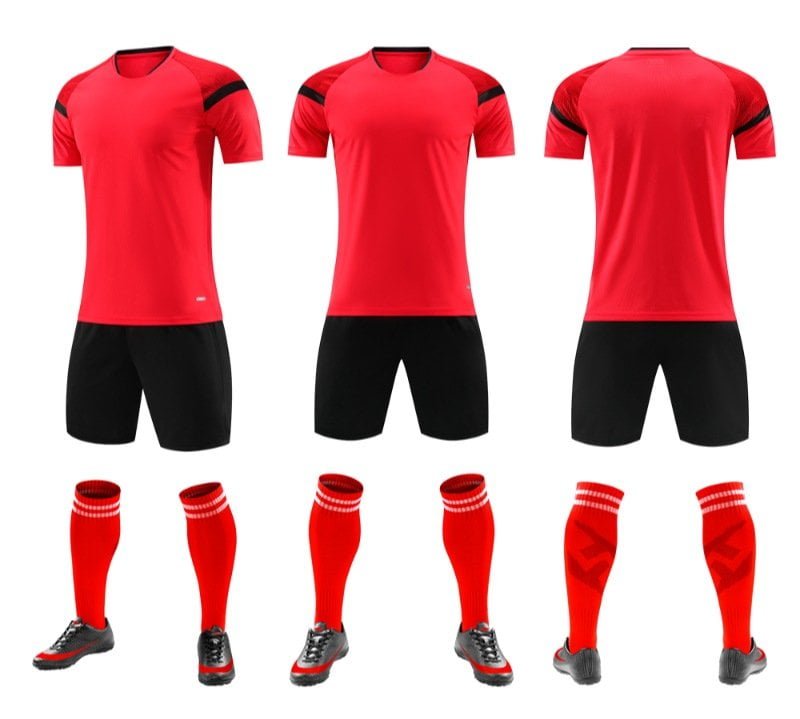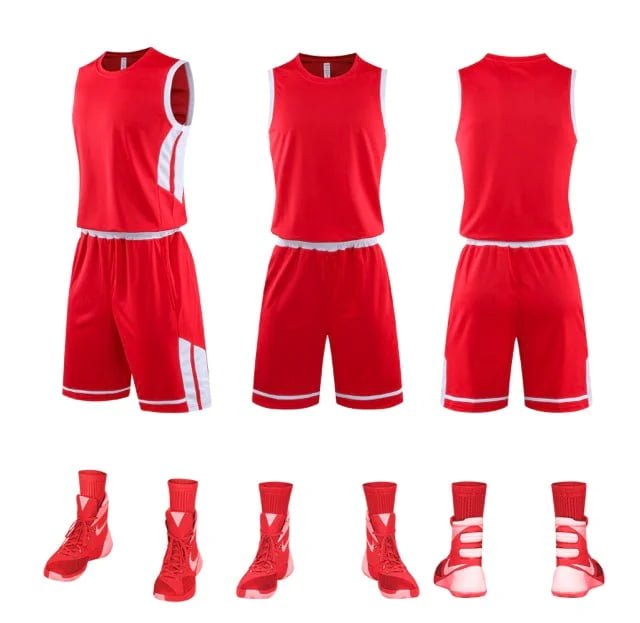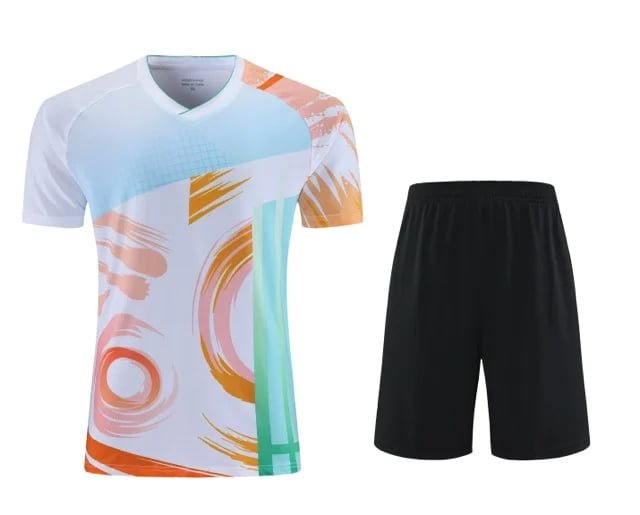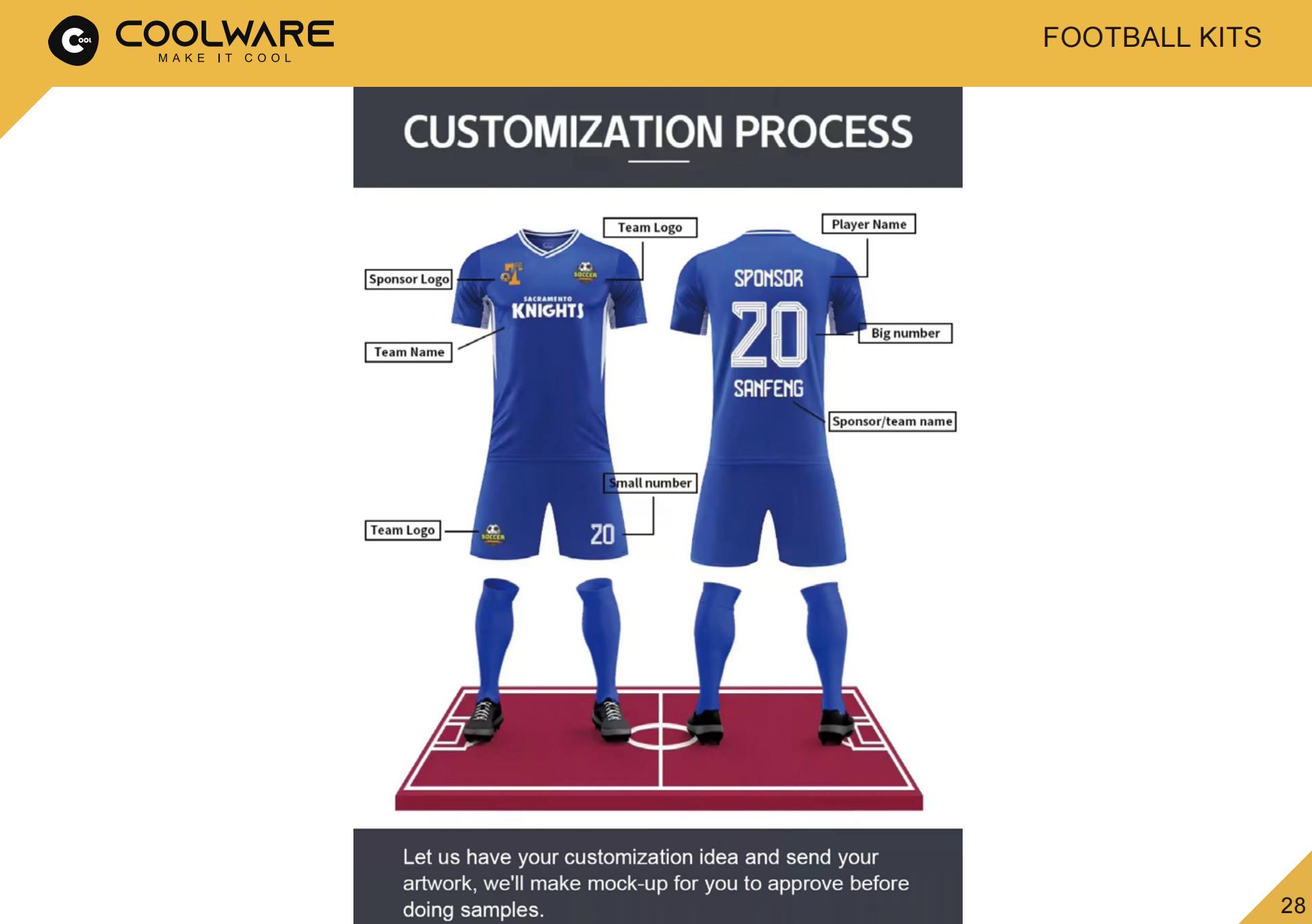
From the outside, custom sportswear production often looks straightforward.
A customer sends designs.
The supplier makes samples.
Production starts.
The order ships.
But in reality, large teamwear projects are rarely that simple.
Behind many successful long-term partnerships are months of communication, adjustments, revisions, and problem solving between both sides.
This is especially true for custom sportswear projects involving:
- Multiple products
- New developments
- Brand positioning
- Club presentations
- Technical customization
- Strict visual requirements
In these situations, success depends on much more than manufacturing alone.
Product Development Is Often a Long Process
Many buyers only see the final jersey after production is completed.
But before that stage, a large amount of development work usually takes place behind the scenes.
For custom teamwear projects, the early stages may involve:
- Fabric discussions
- Logo adjustments
- Pattern modifications
- Fit testing
- Collar revisions
- Color corrections
- Printing improvements
- Packaging planning
Sometimes multiple sample rounds are needed before the final direction becomes clear.
This is completely normal in professional sportswear development.
Especially for importers, distributors, and sports brands building long-term product lines, refining details carefully at the beginning often helps avoid larger problems later.
Challenges Are Part of Custom Manufacturing
In international sportswear production, problems occasionally happen.
This may include:
- Miscommunication
- Incorrect sample details
- Delayed revisions
- Artwork misunderstandings
- Production timing pressure
Many experienced buyers understand this reality very well.
What often matters more is how both sides respond when challenges appear.
Strong long-term partnerships are usually built through:
- Open communication
- Fast adjustment
- Clear feedback
- Shared responsibility
- Continuous improvement
rather than expecting every stage to be perfect immediately.
Why Sampling Plays Such an Important Role
For custom sportswear projects, sampling is one of the most critical stages.
A sample is not simply a product preview.
It is also a communication tool between the buyer and supplier.
During sampling, both sides confirm:
- Fit
- Construction
- Fabric performance
- Logo positioning
- Print quality
- Color balance
- Visual presentation
Sometimes issues discovered during sampling lead to further revisions before final approval.
Although this may increase development time initially, it often creates a much smoother bulk production process later.
Good Communication Reduces Long-Term Risk
One of the biggest differences between successful and unsuccessful sportswear projects is communication quality.
Clear communication helps reduce:
- Repeated mistakes
- Production misunderstandings
- Delays caused by missing information
- Incorrect artwork execution
- Approval confusion
For larger B2B projects, communication is often just as important as manufacturing capability.
Professional buyers increasingly look for suppliers who can:
- Respond clearly
- Handle revisions efficiently
- Organize information carefully
- Solve problems proactively
because these factors strongly affect long-term project stability.
Why Trust Matters in Long-Term Cooperation
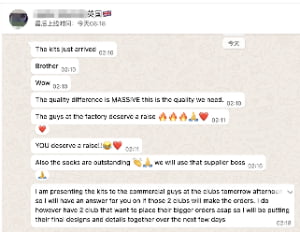
Trust is rarely built from one perfect order.
In many cases, trust develops gradually through:
- Repeated cooperation
- Honest communication
- Responsible problem solving
- Consistent effort over time
For custom sportswear projects, both the buyer and supplier usually invest significant time and energy into product development.
When both sides remain committed during difficult stages, the partnership often becomes much stronger later.
This is especially important for sports brands, distributors, and academy programs planning long-term growth.
Large Projects Require Patience From Both Sides
Complex sportswear projects often involve many moving parts simultaneously.
For example:
- Multiple sample revisions
- Different logo applications
- Club approval processes
- End-customer presentations
- Tight seasonal timelines
Because of this, successful projects usually require patience and coordination from both the supplier and customer.
Rushing development too aggressively may actually create more problems later during production.
Many experienced buyers prefer to spend additional time refining samples carefully before moving into large bulk orders.
Why Long-Term Thinking Creates Better Results
In sportswear manufacturing, short-term thinking often leads to unstable results.
Meanwhile, long-term partnerships usually create advantages such as:
- Better workflow understanding
- Faster communication
- More stable production quality
- More efficient revisions
- Stronger operational trust
Over time, both sides learn how to work together more effectively.
This often improves not only production efficiency, but also overall business growth for both parties.

Behind Every Successful Teamwear Partnership
Most people only see the finished jerseys after delivery.
But behind many successful sportswear projects are months of:
- Product development
- Sample revisions
- Technical adjustments
- Communication
- Problem solving
- Relationship building
Custom manufacturing is rarely only about producing garments.
It is also about building systems, understanding expectations, and improving cooperation step by step over time.
For sportswear suppliers, long-term partnerships are not created by one perfect sample alone — they are built through consistency, communication, and a shared commitment to improving together throughout the entire process.