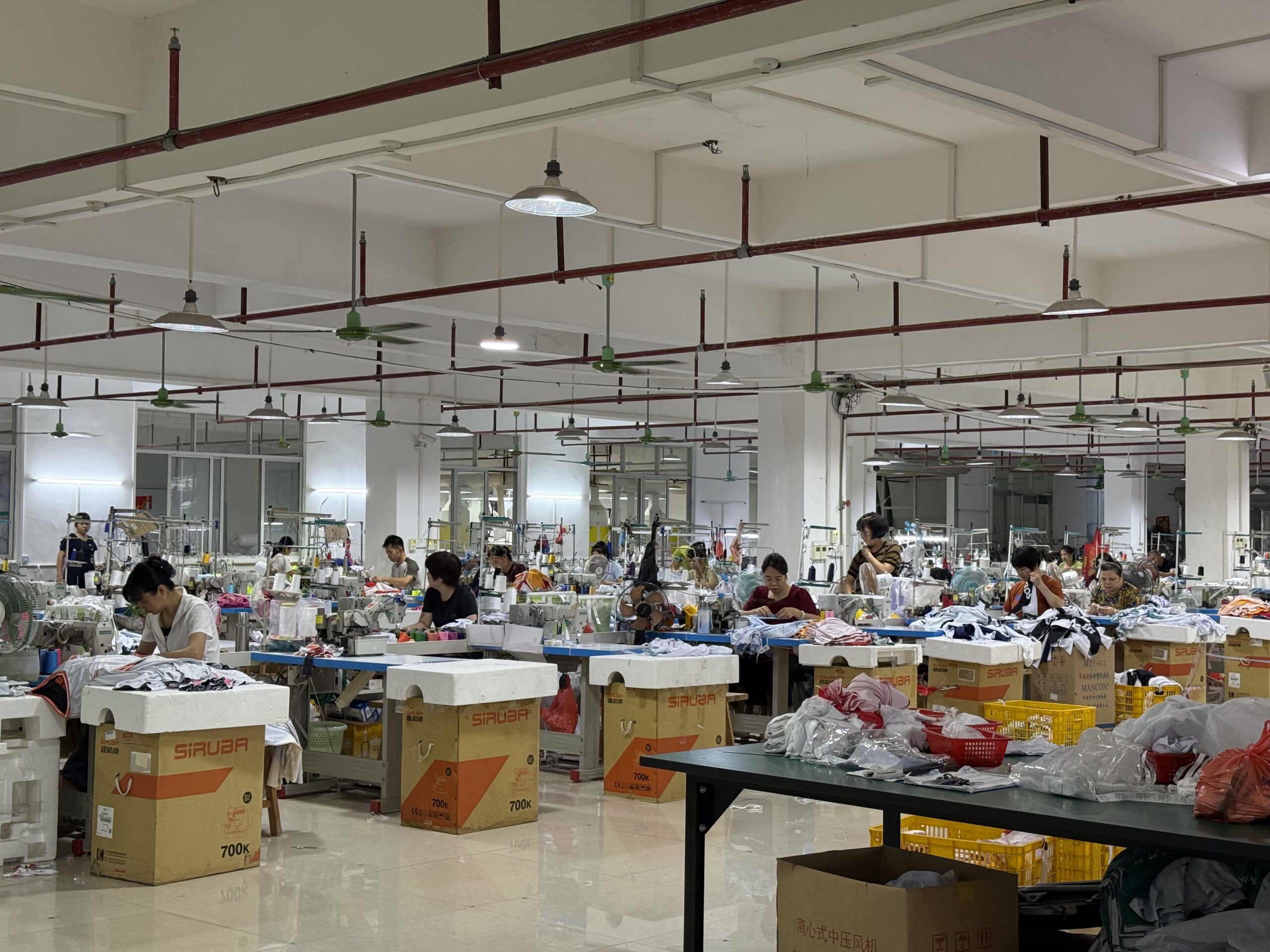
Every year, football clubs around the world face the same challenge.
The new season is approaching, players are returning to training, sponsors need visibility, and match schedules are already confirmed.
Then someone realizes:
The team kits haven’t been ordered yet.
At this point, many clubs hope that custom jerseys can be designed, sampled, produced, shipped, and delivered within just a few weeks.
Sometimes that’s possible.
More often, it creates unnecessary pressure, higher costs, and avoidable mistakes.
For most football clubs, academies, and sports organizations, ordering teamwear 60–90 days before the season starts is one of the smartest ways to ensure a smooth and successful launch.
Custom Teamwear Takes Longer Than Most People Expect
Many people only see the finished jersey.
They don’t see the work that happens behind the scenes before production even begins.
A typical custom football kit project may involve:
- Design confirmation
- Sponsor logo approval
- Size collection
- Mockup preparation
- Sample production
- Sample revisions
- Bulk production
- Quality inspection
- Packaging
- International shipping
Even when everything runs smoothly, these steps require time.
Rushing the process often increases the risk of mistakes.
Sample Approval Often Takes Longer Than Production
One of the most underestimated stages is sample approval.
Many clubs assume that once a design is finished, production can begin immediately.
In reality, buyers often request adjustments such as:
- Logo size changes
- Sponsor placement revisions
- Collar modifications
- Fabric upgrades
- Color corrections
- Player name formatting
Some projects require multiple sample revisions before final approval.
This is completely normal.
The goal is not to move fast.
The goal is to get it right.
Size Collection Is Usually Slower Than Expected
Ask any club manager what causes delays, and many will mention sizing.
Collecting accurate sizes from players sounds simple.
In practice, it often becomes one of the slowest parts of the project.
Common issues include:
- Players responding late
- Last-minute roster changes
- Missing measurements
- Incorrect size selections
The larger the team or academy, the more complicated this process becomes.
Ordering early gives clubs enough time to organize accurate size information.

Production Capacity Is Not Unlimited
Many clubs assume factories can start production immediately.
However, most sportswear factories manage multiple projects at the same time.
Production schedules become especially busy before:
- Football season launches
- Tournament periods
- School sports seasons
- Major events
During peak periods, production slots may fill up quickly.
Clubs that order earlier usually have greater flexibility and more production options.
International Shipping Can Create Unexpected Delays
Even after production is completed, the order still needs to reach its destination.
International shipping may involve:
- Export documentation
- Customs clearance
- Airline scheduling
- Local delivery networks
Most shipments arrive without problems.
However, unexpected delays can occur.
Examples include:
- Customs inspections
- Weather disruptions
- Peak-season freight congestion
- Airline capacity shortages
Ordering 60–90 days ahead provides a safety buffer for these situations.
Early Orders Usually Mean Lower Stress
One of the biggest advantages of ordering early is simply peace of mind.
Instead of worrying about deadlines, clubs can focus on:
- Player preparation
- Sponsor activities
- Marketing campaigns
- Season planning
When jerseys arrive well before the first match, there is time to:
- Check sizes
- Verify player names
- Distribute kits
- Handle unexpected issues
This creates a much smoother experience for everyone involved.
Early Planning Helps Avoid Costly Mistakes
Rushed projects often lead to avoidable problems.
Common examples include:
- Incorrect player names
- Missing sponsor logos
- Last-minute design changes
- Expensive express shipping
- Production errors caused by tight deadlines
Most of these problems become much easier to avoid when sufficient planning time is available.
In many cases, ordering earlier actually saves money by reducing the need for emergency solutions later.
Why Professional Clubs Plan Months Ahead
Professional clubs rarely wait until the last minute to prepare teamwear.
Many begin discussions several months before the season starts.
This allows time for:
- Product development
- Sampling
- Marketing photography
- Retail preparation
- Sponsor approvals
While grassroots clubs may not need the same level of planning, the principle remains the same:
Earlier preparation usually leads to better results.
A Simple Timeline for Teamwear Orders
For most football clubs and academies, a practical timeline looks like this:
90 Days Before Season
- Finalize supplier
- Confirm design direction
- Begin sample development
60 Days Before Season
- Approve samples
- Confirm player sizes
- Place bulk order
30 Days Before Season
- Receive products
- Check deliveries
- Distribute kits
This schedule leaves enough flexibility to handle unexpected changes without unnecessary stress.
Planning Ahead Creates a Better Teamwear Experience
Custom football kits represent more than just clothing.
They reflect the club’s identity, sponsors, and professionalism.
Giving the process enough time helps ensure that every detail is handled correctly.
For football clubs, academies, sports brands, and distributors, ordering teamwear 60–90 days before the season starts is one of the easiest ways to reduce risk, improve quality, and ensure players receive their kits on time.
A successful season often starts long before the first match—and teamwear planning is one of the first steps.