For many buyers entering the international sourcing market, one common belief is:
“Working directly with a factory is always better.”
At first glance, this seems logical.
Factories make products. Factories control production. Factories should offer the best prices.
However, after years of importing products from overseas, many experienced buyers discover that the decision is not always so simple.
In fact, many successful importers, distributors, sports brands, and promotional product companies deliberately choose to work with professional suppliers instead of dealing directly with multiple factories.
Why?
Because modern sourcing is often about much more than manufacturing alone.
Factory vs Supplier: What’s the Difference?
Before comparing the two options, it’s important to understand the difference.
Factory
A factory primarily focuses on manufacturing products.
Its strengths include:
- Production capability
- Equipment
- Manufacturing expertise
- Technical processes
Factories are often highly specialized in a particular product category.
For example:
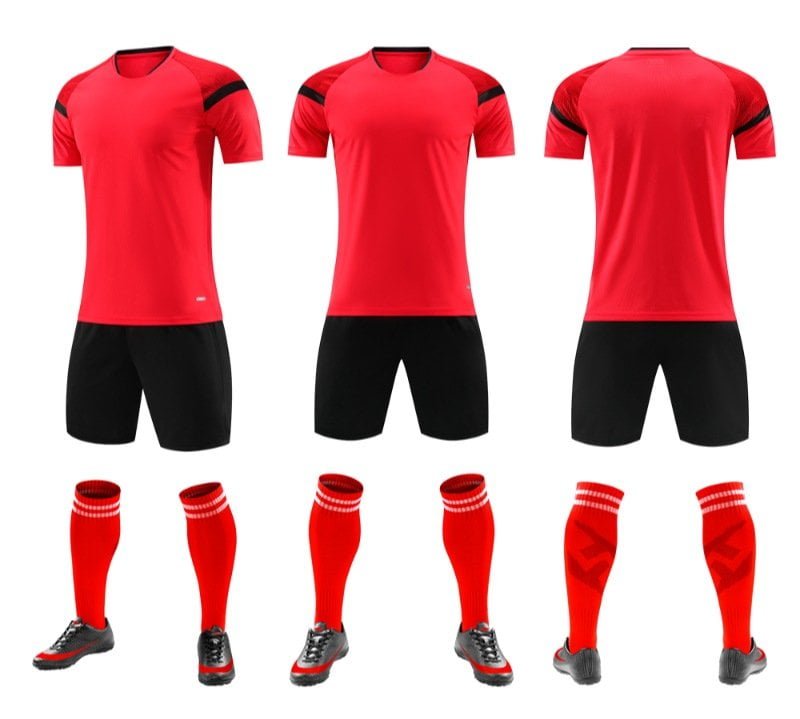
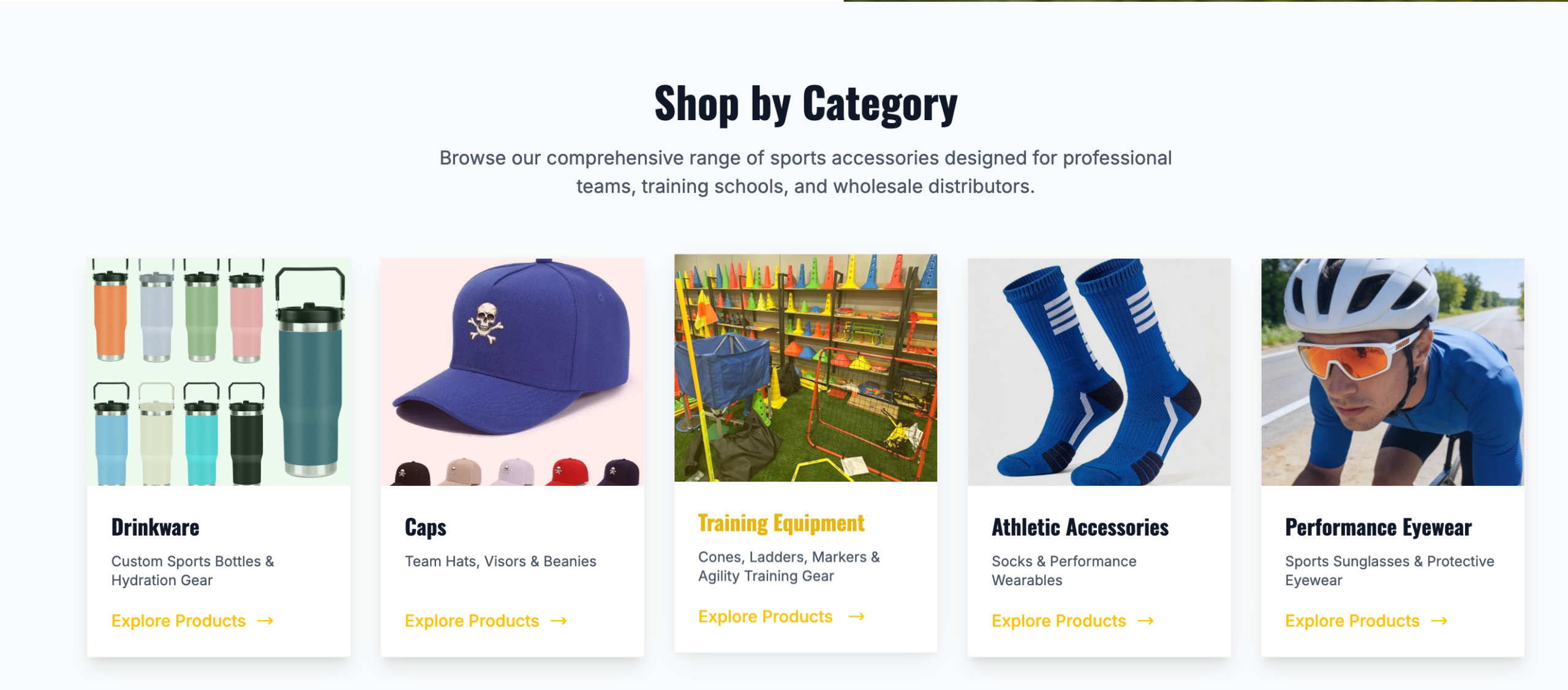
- Football jerseys
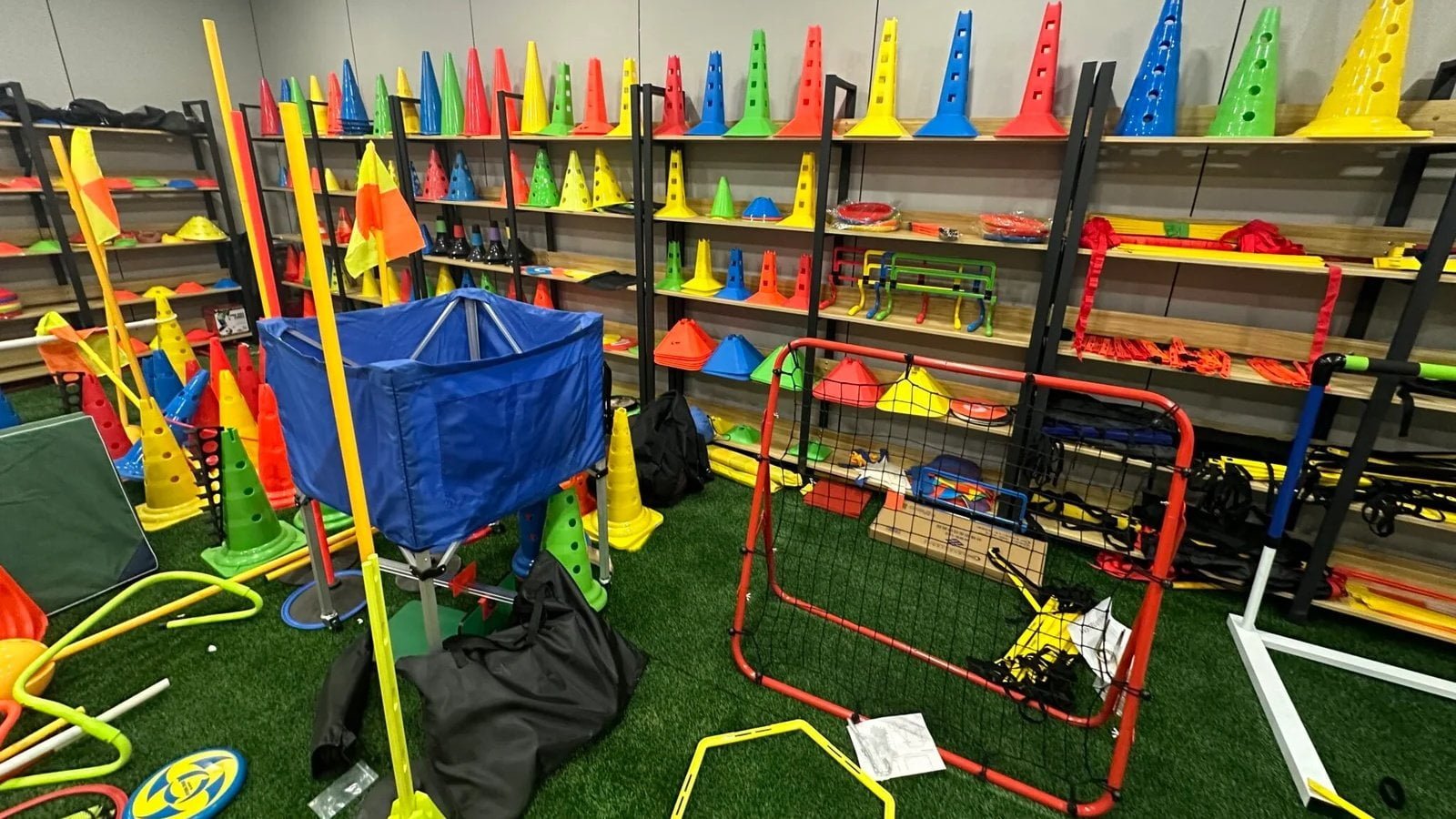
- Training equipment
- Caps
- Drinkware
- Sunglasses
Most factories focus on producing what they know best.
Supplier
A supplier acts as a sourcing and project management partner.
In addition to arranging production, suppliers often help with:
- Product sourcing
- Factory selection
- Quality control
- Project coordination
- Shipping management
- Communication support
Rather than producing every product themselves, suppliers build networks of reliable manufacturing partners.
For many buyers, this creates significant advantages.
Many Importers Need More Than One Product
One of the biggest challenges importers face is product diversification.
Consider a football club or sports brand preparing for a new season.
They may need:
- Football kits
- Training bibs
- Agility ladders
- Team socks
- Caps
- Water bottles
- Sunglasses
- Fan merchandise
Finding a separate factory for each product category can quickly become time-consuming.
Managing multiple suppliers often means:
- More emails
- More quotations
- More sample approvals
- More production schedules
- More shipping arrangements
For many buyers, working with a supplier simplifies the process significantly.
Supplier Networks Create More Flexibility
Most factories are excellent at producing a specific product.
However, they may not be the best choice for every item in a project.
Professional suppliers can often recommend the most suitable factory for each product category.
This allows buyers to access:
- Better product selection
- More manufacturing options
- Flexible pricing solutions
- Different quality levels
Instead of being limited to one factory’s capabilities, buyers gain access to a wider supply network.
Quality Control Across Multiple Products
Managing quality becomes increasingly difficult when multiple factories are involved.
Imagine ordering:
- Jerseys from Factory A
- Socks from Factory B
- Caps from Factory C
Each supplier may have different standards, communication styles, and timelines.
Many importers rely on suppliers to coordinate:
- Product specifications
- Sample approvals
- Quality inspections
- Packaging requirements
This helps create a more consistent buying experience.
Communication Can Be More Important Than Manufacturing
Many sourcing problems are not caused by production.
They are caused by communication.
Examples include:
- Incorrect logos
- Wrong sizes
- Missing packaging requirements
- Shipping misunderstandings
- Delayed approvals
Experienced suppliers often act as a bridge between buyers and factories.
They help ensure that project requirements are clearly communicated and properly executed.
For international buyers working across different languages and time zones, this support can be extremely valuable.
Consolidated Shipping Saves Time and Money
One major advantage of working with a supplier is shipment consolidation.
Instead of receiving products from multiple factories, buyers can often combine products into a single shipment.
Benefits include:
- Lower shipping costs
- Simplified logistics
- Reduced paperwork
- Easier customs handling
- Better delivery coordination
This becomes particularly important for importers managing seasonal orders.
Suppliers Help Reduce Operational Workload
Many importers operate with relatively small teams.
Some sports brands may only have:
- One purchasing manager
- One product manager
- One business owner handling sourcing
Managing multiple factories can quickly become overwhelming.
Working with a supplier allows buyers to focus more on:
- Sales
- Marketing
- Customer service
- Brand development
while the supplier coordinates much of the sourcing process behind the scenes.
When Is Working Directly With a Factory Better?
Direct factory relationships still make sense in certain situations.
For example:
- Extremely high-volume orders
- Single-product businesses
- Buyers with local sourcing teams
- Companies that already have strong supply chain resources
In these cases, direct factory management may offer advantages.
However, many importers operate in a more flexible environment where product variety and project management matter just as much as manufacturing costs.
Why Sports Brands Often Choose Supply Chain Partners
As sports brands grow, they often expand beyond a single product category.
A company that starts with football jerseys may later add:
- Team socks
- Training equipment
- Promotional apparel
- Drinkware
- Sunglasses
- Fan merchandise
Managing multiple factories individually becomes increasingly complex.
This is one reason many successful brands eventually build long-term relationships with trusted suppliers who can coordinate different product categories under one roof.
The Best Choice Depends on Your Business Model
There is no universal answer to the factory-versus-supplier debate.
The best choice depends on:
- Product range
- Order volume
- Internal resources
- Supply chain experience
- Growth plans
For many modern importers, distributors, and sports brands, working with a professional supplier provides flexibility, efficiency, and access to a wider range of manufacturing resources.
The goal is not simply to buy products.
The goal is to build a reliable supply chain that supports long-term business growth.
A good supplier does more than place orders. They help manage communication, coordinate production, solve problems, and simplify sourcing across multiple product categories.
For many buyers, that support can be just as valuable as the products themselves.