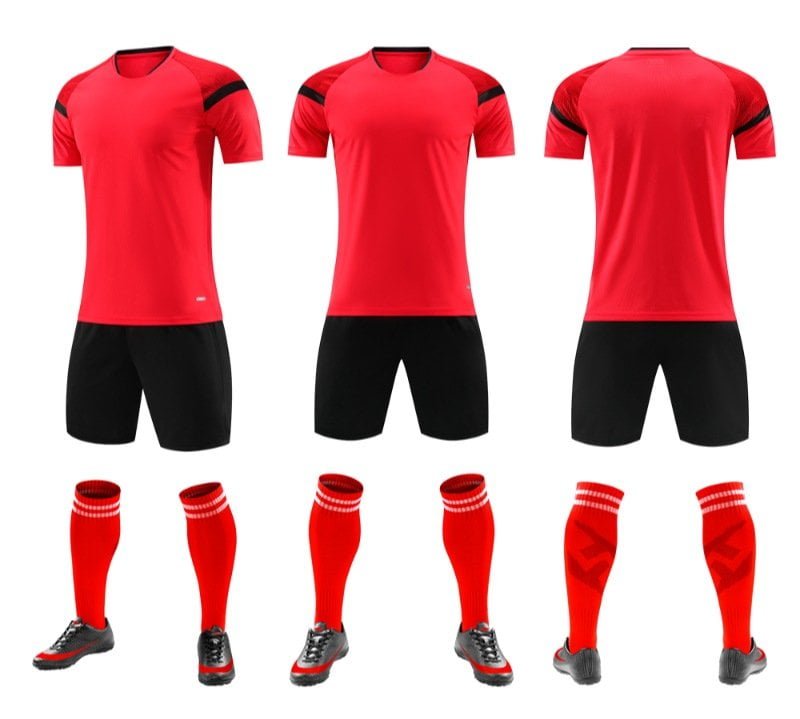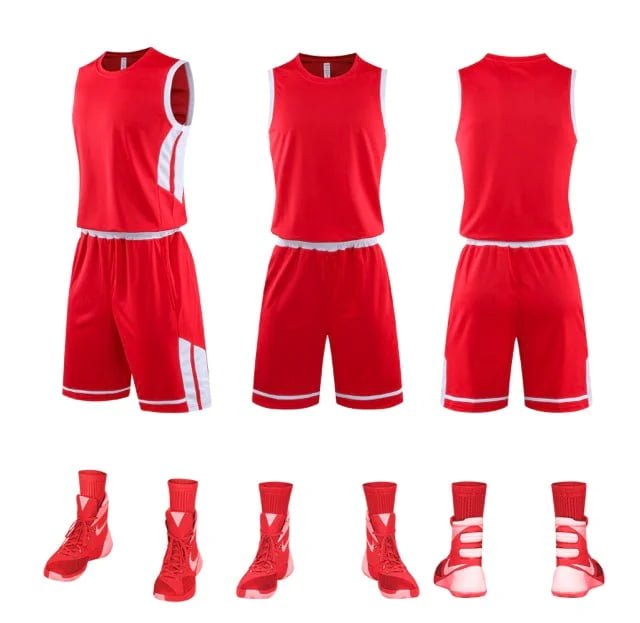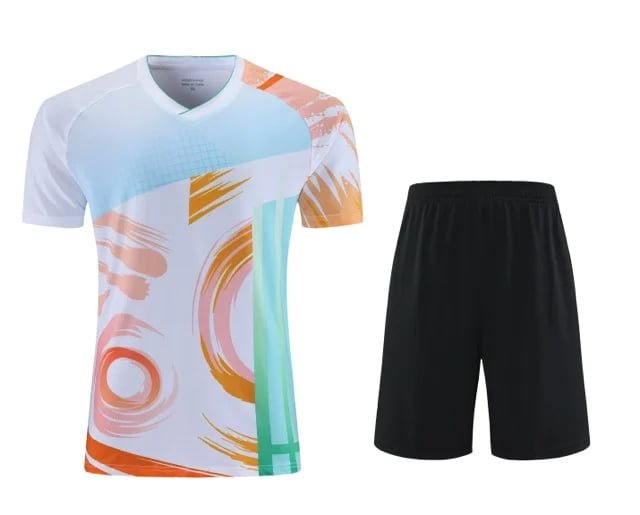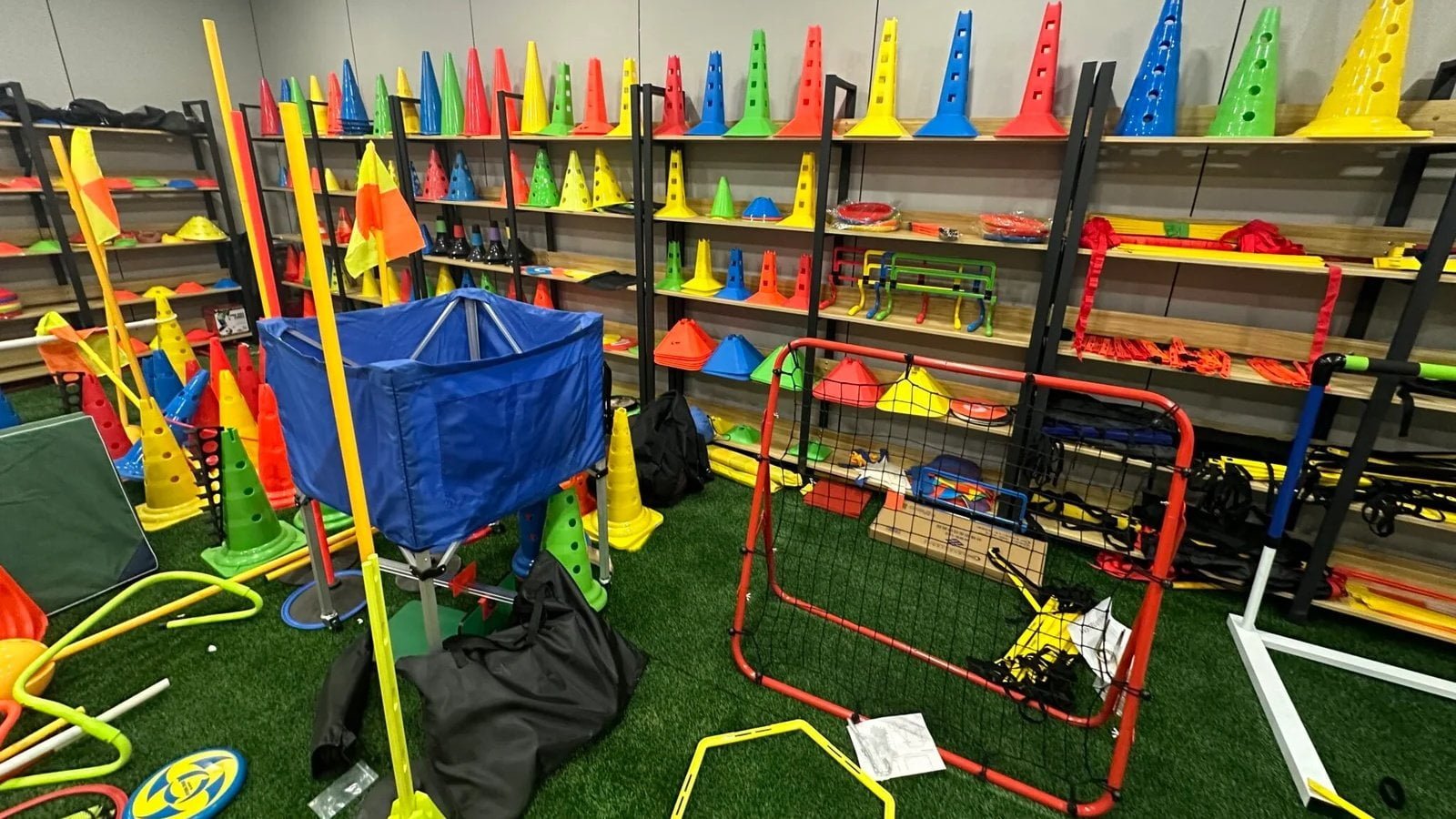
Every sports team has different needs.
Some clubs prefer a slim athletic fit.
Others want a more relaxed training cut.
Some brands focus heavily on fabric performance, while others care more about logo presentation, packaging, or retail consistency.
This is one reason why custom sportswear production has become increasingly important for football clubs, academies, sports brands, and importers worldwide.
Modern teamwear is no longer simply about putting a logo onto a standard jersey.
Today, many buyers want products that better match their:
- Brand identity
- Team culture
- Performance requirements
- Market positioning
- End-user preferences
In this article, we’ll take a closer look at how customized sportswear orders are typically developed and managed.
Customization Starts With the Jersey Fit
One of the first things many buyers notice about sportswear is the fit.
Different regions, leagues, and customer groups often prefer very different jersey styles.
For example:
- European teams may prefer slimmer athletic cuts
- Training academies often choose more comfortable regular fits
- Youth programs may require different sizing proportions
- Retail-focused brands sometimes want fashion-inspired silhouettes
Because of this, pattern development plays an important role in custom sportswear production.
Professional pattern makers can often create production patterns based on:
- Reference photos
- Existing garments
- Physical samples
- Technical design files
This allows buyers to develop products that better match their intended market rather than relying only on standard templates.
Fabric Selection Matters More Than Many Buyers Expect
Fabric choice directly affects how a jersey performs during use.
Different sportswear fabrics may vary in:
- Weight
- Breathability
- Stretch
- Softness
- Moisture-wicking ability
- Durability
For football kits and training wear, polyester fabrics remain the most common option because they provide:
- Lightweight comfort
- Fast drying
- Good sublimation performance
- Long-term durability
However, not all polyester fabrics are the same.
Some buyers prefer ultra-light match fabrics, while others choose stronger materials for academy or training use where durability is more important.
Choosing the right fabric often depends on:
- Usage environment
- Budget
- Competition level
- Climate
- Customer expectations
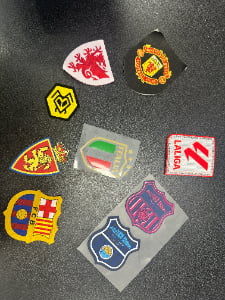
Different Logo Application Methods Create Different Results
Logo application is another major part of sportswear customization.
Different methods create very different visual effects and performance characteristics.
Common options include:
- Sublimation printing
- Heat-transfer logos
- Silicone logos
- TPU applications
- Embroidery
- Screen printing
Each method has advantages depending on the project.
For example:
- Sublimation works well for lightweight performance jerseys
- Silicone and TPU logos create a more premium appearance
- Embroidery is often used for classic or lifestyle products
Choosing the right method depends on:
- Budget
- Design style
- Product positioning
- Wash durability requirements
- Production quantity
Large sports brands and importers often use different logo methods across different product lines.
Small Details Also Matter in Teamwear Production
Professional sportswear customization goes beyond the main design.
Many buyers also customize smaller details such as:
- Stitching colors
- Neck tape
- Care labels
- Hang tags
- Packaging
- Player names and numbering
- Sleeve patches
- Retail barcodes
These details help create a more complete and professional product presentation.
For sports brands and distributors, consistent customization also strengthens brand identity across different product categories.
Why Sampling Is an Important Step
Before bulk production begins, many buyers choose to develop samples first.
A sample allows both sides to confirm:
- Fit
- Fabric feel
- Print quality
- Logo appearance
- Color accuracy
- Construction details
For importers and sports brands, sampling is especially important because it reduces production risks later.
Once the sample is approved, it becomes the reference standard for mass production.
Managing Different Order Sizes
Different buyers have very different production requirements.
Some clubs may only need a few hundred pieces for seasonal use.
Meanwhile, importers and distributors may place larger recurring orders covering:
- Multiple teams
- Several product categories
- Retail inventory
- Seasonal collections
An experienced supplier should be able to manage different order sizes while maintaining:
- Stable quality
- Production efficiency
- Clear communication
- Consistent timelines
This becomes increasingly important as projects grow more complex.
Why Process Management Is Important for Custom Orders
Custom sportswear production involves many moving parts.
A typical order may include:
- Multiple sizes
- Different player names
- Several logo methods
- Various product categories
- Tight delivery schedules
Without clear coordination, mistakes can happen easily.
Strong project management helps reduce:
- Artwork errors
- Production delays
- Sizing confusion
- Packing problems
- Shipment issues
For large academies, sports brands, and importers, process management is often just as important as manufacturing itself.
The Growing Demand for Fully Customized Teamwear
As sportswear markets become more competitive, more organizations are looking for products that feel unique to their brand.
This is especially true for:
- Football academies
- Sports clubs
- Teamwear brands
- Retail distributors
- Event organizations
Rather than buying generic products, buyers increasingly want customized solutions that better represent their identity and market positioning.
This trend continues driving demand for flexible sportswear manufacturing partners.
Final Thoughts
Custom sportswear production is about much more than printing logos onto jerseys.
From fit development and fabric selection to logo application, sampling, production, and shipment coordination, every step contributes to the final product quality and user experience.
For clubs, academies, importers, and sports brands, working with an experienced supplier can help make the entire process smoother, more efficient, and better aligned with long-term business goals.
At Coolware Kits, we support custom teamwear and sports accessory production for B2B customers worldwide. Our goal is to help buyers create sportswear solutions that combine professional appearance, practical performance, and efficient project management.