How Large Teamwear Orders Are Managed Step by Step
Managing a large teamwear order is very different from producing a small batch of football kits.
For importers, sports brands, academies, and large clubs, the challenge is not only about making jerseys. It is about managing many details at the same time: sizes, logos, player names, numbers, fabrics, packaging, deadlines, and shipping.
A well-managed process helps reduce mistakes, avoid delays, and make the final delivery much smoother.
Below is a step-by-step look at how large custom teamwear orders are usually managed.
Step 1: Confirm the Product Requirements
Every large order should begin with clear product requirements.
This usually includes:
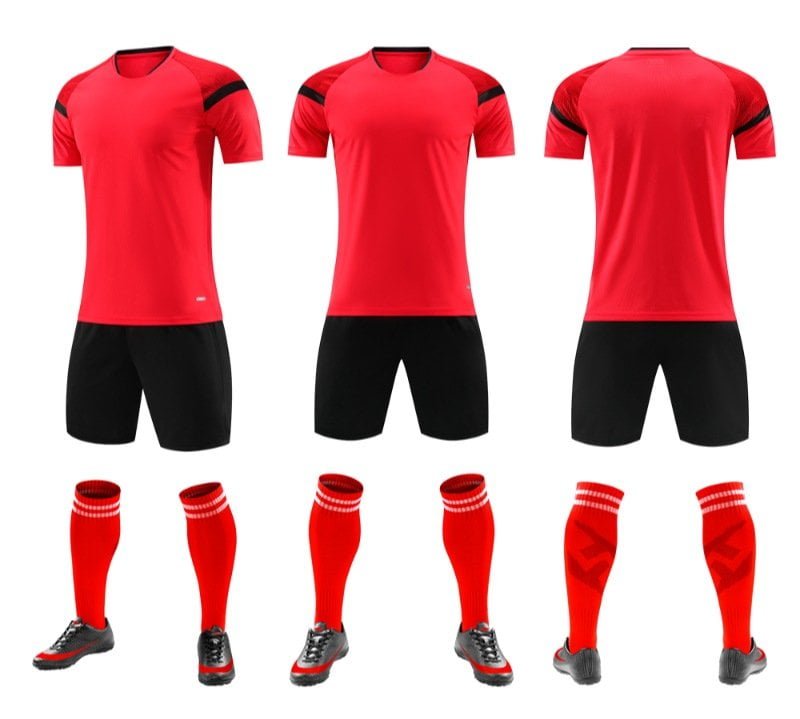
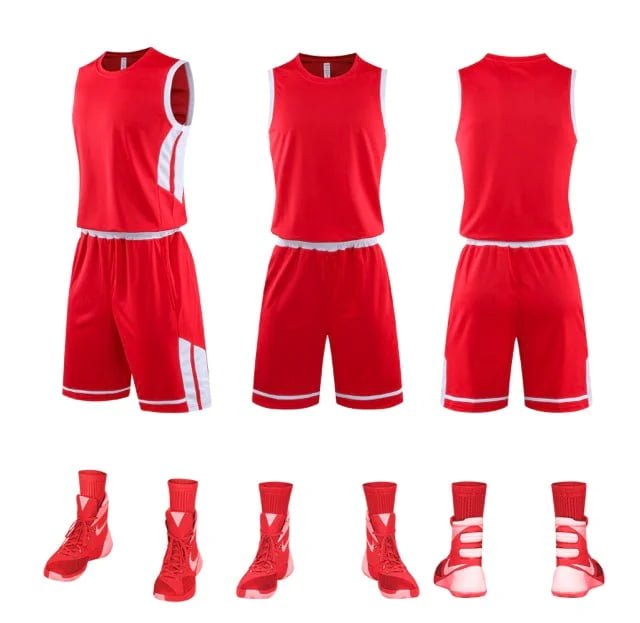
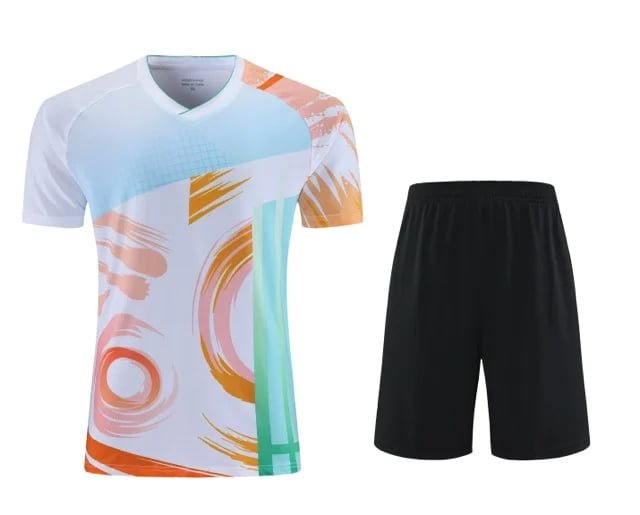
- Product type: football kits, training wear, tracksuits, socks, vests, or accessories
- Fabric preference
- Quantity
- Adult and youth size range
- Printing or logo method
- Packaging requirements
- Target delivery date
- Shipping destination
For large academies or clubs, this step is especially important because one order may include several teams, age groups, or departments.
Clear information at the beginning helps the supplier prepare a more accurate quotation and production plan.
Step 2: Collect the Size Breakdown
Size collection is one of the most important parts of a large teamwear order.
A typical order may include:
- Youth sizes
- Adult sizes
- Goalkeeper sizes
- Staff sizes
- Extra stock for future replacement
- Different size ratios for different teams
For academies and clubs, it is better to organize the size breakdown in a clear spreadsheet before production starts.
This helps avoid confusion during cutting, printing, packing, and final distribution.
A professional supplier should always double-check the size list before moving to production.
Step 3: Confirm Artwork, Logos, Names, and Numbers
After the product details and sizes are confirmed, the next step is artwork confirmation.
This usually includes:
- Club badge
- Sponsor logos
- Player names
- Player numbers
- Sleeve logos
- Back neck logos
- Shorts logos
- Color references
- Logo placement and size
For large orders, small artwork mistakes can become expensive.
For example, if one sponsor logo is placed too high or one numbering color is incorrect, the mistake may affect hundreds of pieces.
That is why artwork approval should be handled carefully before sampling or bulk production.
Step 4: Prepare the Digital Mockup
The digital mockup gives the buyer a visual preview of the final product.
It helps confirm:
- Overall design
- Color combination
- Logo position
- Number and name layout
- Sponsor placement
- Shorts and socks matching
For large teamwear projects, the mockup is not just a design file. It is also an important communication tool between the buyer, supplier, designer, and production team.
Once the mockup is approved, it becomes the reference for the next steps.
Step 5: Make the Pre-Production Sample
For serious teamwear orders, a pre-production sample is highly recommended.
The sample helps check:
- Fabric quality
- Fit and sizing
- Color accuracy
- Logo effect
- Printing quality
- Stitching quality
- Overall workmanship
This step is especially important for importers and brands because the sample represents the standard for bulk production.
Bulk production should only begin after the sample is approved.
Step 6: Plan the Production Schedule
Large teamwear orders need a clear production schedule.
The supplier should coordinate:
- Fabric preparation
- Cutting
- Printing
- Logo application
- Sewing
- Inspection
- Packing
- Shipment booking
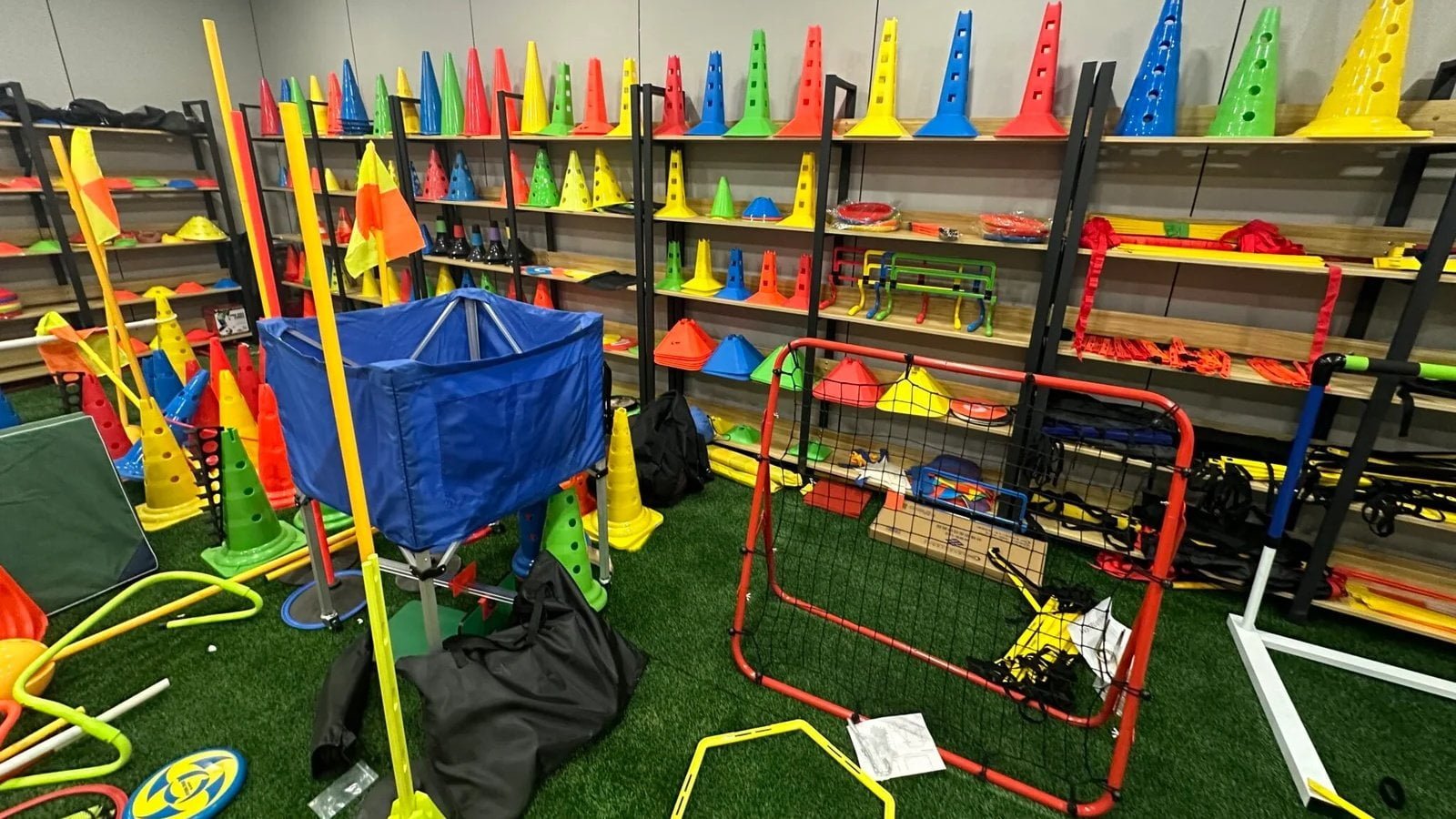
If the order includes several product categories, such as jerseys, tracksuits, socks, caps, or training equipment, the timeline becomes even more important.
A good production plan helps reduce delays and makes sure all products are ready for shipment at the right time.
Step 7: Start Bulk Production
Once all details are approved, bulk production can begin.
During this stage, the supplier must make sure the approved sample and artwork are followed correctly.
Important control points include:
- Fabric color
- Size accuracy
- Print position
- Logo size
- Name and number accuracy
- Stitching quality
- Label and packaging details
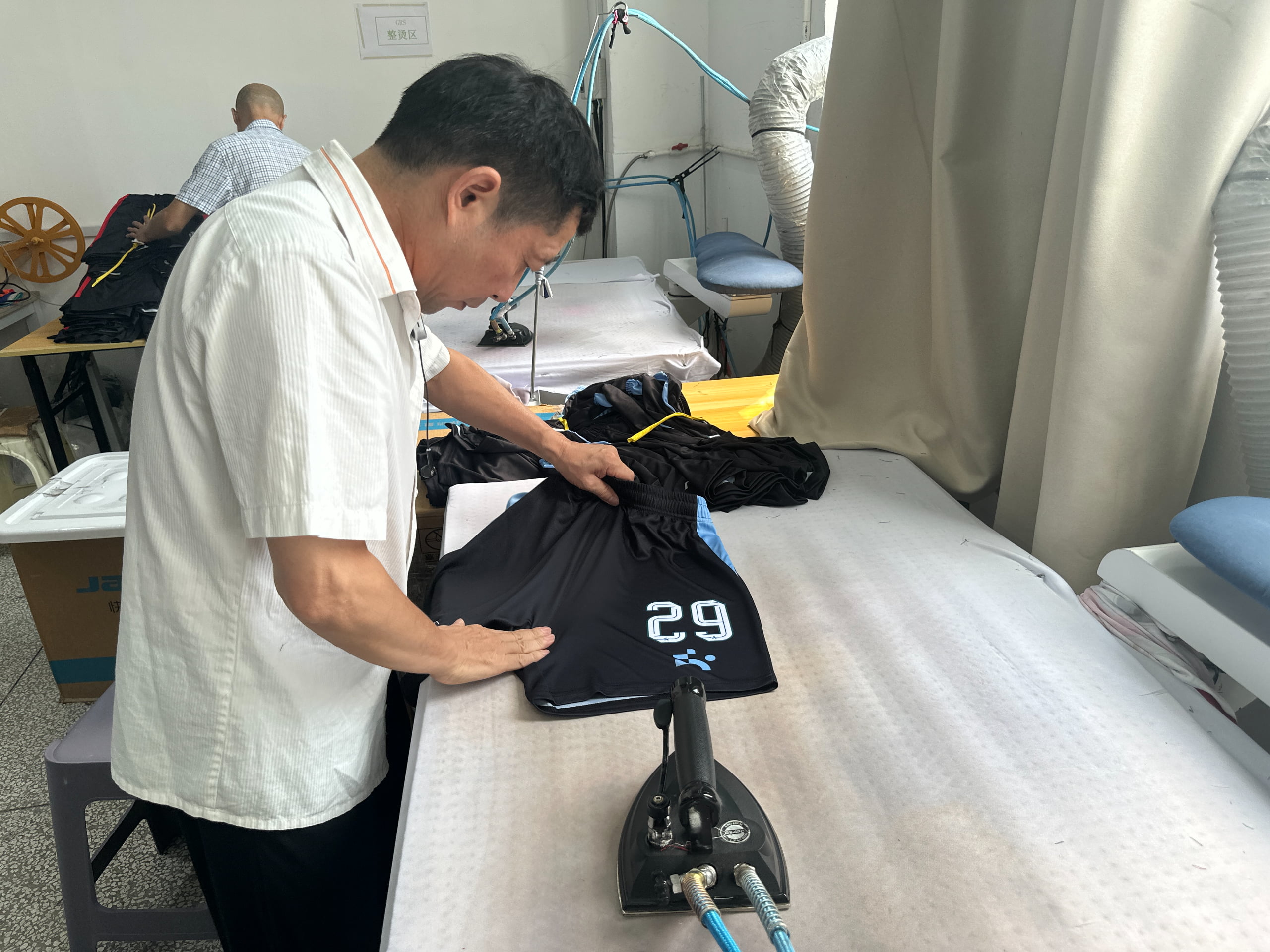
For large orders, production should not rely only on final inspection. Quality should be checked during the production process as well.
Step 8: Conduct Quality Control
Quality control is one of the most important steps before shipment.
A proper inspection usually checks:
- Size measurements
- Fabric quality
- Logo placement
- Printing color
- Stitching
- Loose threads
- Names and numbers
- Quantity
- Packing details
For teamwear orders, name and number checking is especially important.
A missing number or incorrect player name can create problems for the end customer, even if the garment quality itself is good.
Step 9: Organize Packing by Team or Category
For large clubs, academies, and distributors, packing is not only about putting products into cartons.
Good packing can save a lot of time after delivery.
Depending on the buyer’s needs, products can be packed by:
- Team
- Age group
- Size
- Player number
- Product category
- Store or branch
- Customer order list
Clear packing helps the buyer distribute products faster and reduces internal workload.
For importers and sports brands, this is also useful when products need to be delivered to different customers or retail channels.
Step 10: Arrange Shipping and Documents
After packing is completed, the supplier arranges shipment according to the buyer’s requirement.
Common shipping methods include:
- Express delivery
- Air freight
- Sea freight
- Railway freight
- DDP service, depending on destination and agreement
For international orders, documents should also be prepared carefully, such as:
- Commercial invoice
- Packing list
- Carton details
- Shipping marks
- Customs documents
- Certificate of origin, if required
Accurate shipping documents help avoid customs delays and delivery problems.
Step 11: Keep Records for Reorders
A large teamwear order should not end after shipment.
For long-term cooperation, the supplier should keep clear records of:
- Approved designs
- Size charts
- Fabric specifications
- Logo files
- Color references
- Packaging requirements
- Previous order quantities
This makes future reorders much faster and easier.
For academies, clubs, and brands, this is very valuable because new seasons, new players, and repeat orders are common.
Why Process Management Matters
Large teamwear orders involve many details.
A good supplier is not only responsible for production. They also need to manage communication, files, timelines, quality control, and shipping coordination.
For professional buyers, this can reduce:
- Mistakes
- Delays
- Rework
- Communication pressure
- Distribution problems
- Unexpected costs
This is why experienced importers, brands, and large sports organizations often care about supplier management ability as much as product price.
Final Thoughts
Managing a large custom teamwear order requires a clear and organized process.
From the first size list to the final shipment, every step affects the final result.
For importers, sports brands, academies, and large clubs, choosing a supplier with strong project management experience can make the whole process smoother, safer, and more efficient.
At Coolware Kits, we support custom football kits, teamwear, training products, and related sports accessories for B2B customers. Our goal is to help buyers manage production more clearly, reduce sourcing pressure, and build long-term supply solutions for their sports business.