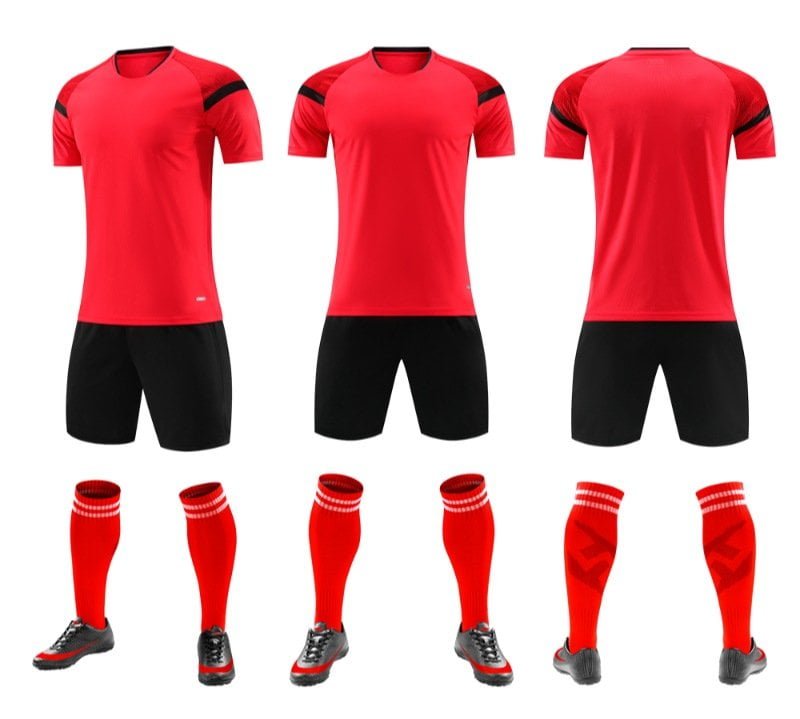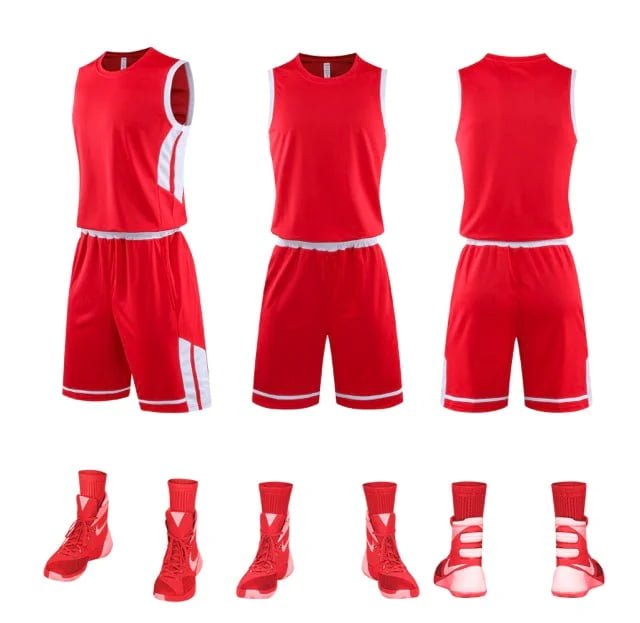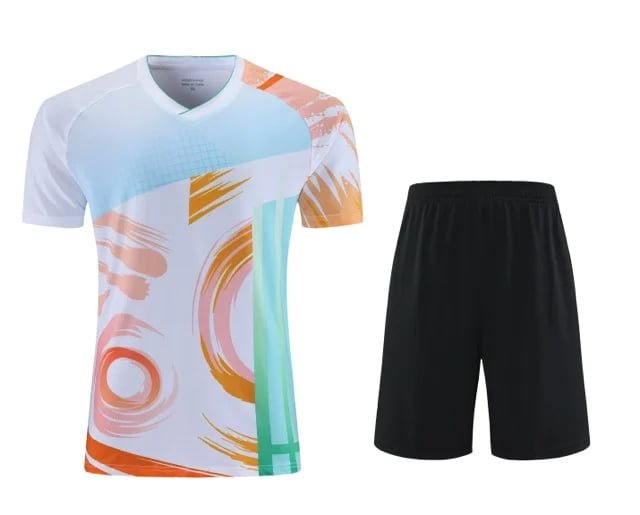

Choosing the right fabric is one of the most important decisions when developing custom football kits.
Many buyers focus heavily on design, but fabric selection directly affects:
- Comfort
- Performance
- Durability
- Printing quality
- Overall product positioning
Understanding the differences between common sportswear fabrics can help you choose a solution that matches your market, budget, and performance expectations.
Why Fabric Selection Matters
A football jersey may look good in photos, but the actual wearing experience depends heavily on the fabric.
The wrong material can lead to:
- Poor breathability
- Uncomfortable fit
- Heavy feeling during activity
- Faster wear and tear
- Unstable printing results
This is why fabric choice should never be treated as a secondary detail.
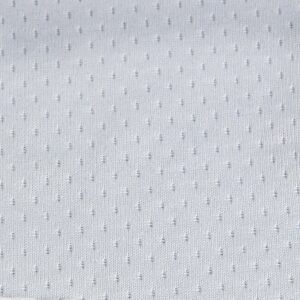
Polyester: The Most Common Sportswear Fabric
Polyester remains the most widely used material for football kits.
Main Advantages:
- Lightweight
- Good moisture management
- Durable and easy to maintain
- Cost-effective for team orders
- Excellent compatibility with sublimation printing
This makes polyester a practical choice for:
- Clubs
- Schools
- Training wear
- Large-volume projects
Things to Consider
Not all polyester fabrics are the same.
Differences in:
- Yarn quality
- Knitting structure
- Fabric weight
can significantly affect comfort and appearance.
A well-developed polyester fabric can still deliver excellent performance without increasing cost excessively.
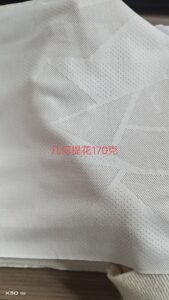
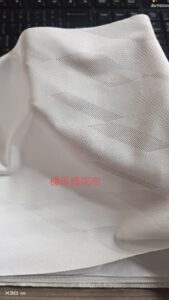
Jacquard Fabrics: A More Premium Option
Jacquard fabrics are increasingly popular in higher-end football kits.
Unlike standard smooth fabrics, jacquard materials are woven with textured patterns directly into the fabric structure.
Advantages of Jacquard Fabrics:
- More premium visual appearance
- Better texture and depth
- Improved airflow through engineered patterns
- Stronger overall fabric structure
This type of fabric is commonly used for:
- Premium club collections
- Brand-focused products
- Higher-end retail jerseys
Polyester + Spandex Blends: Improving Flexibility
Modern sportswear often includes a moderate amount of spandex (elastane).
A common composition is:
- 92–95% Polyester
- 5–8% Spandex
This balance helps improve:
- Stretch and freedom of movement
- Softness and comfort
- Overall fit during activity
More Spandex Does Not Always Mean Better Performance
Many people assume:
“More spandex means better sportswear.”
In reality, excessive spandex can sometimes:
- Reduce breathability
- Affect printing stability
- Increase cost unnecessarily
For most football and basketball teamwear, moderate spandex content is usually the most practical solution.
Fabric structure and knitting methods often influence flexibility just as much as spandex percentage.
How to Choose the Right Fabric for Your Project
The best fabric depends on your actual needs.
Choose Polyester If You Need:
- Cost efficiency
- Large-volume production
- Reliable printing performance
- Durable training wear
Choose Jacquard If You Want:
- More premium appearance
- Better texture and visual depth
- Higher-end market positioning
Choose Polyester + Spandex If You Prioritize:
- Extra comfort
- Better flexibility
- Softer hand feel
- Modern athletic fit
Fabric Selection Is About Balance
In sportswear development, the goal is rarely to use the “most expensive” material.
The real objective is finding the right balance between:
- Comfort
- Performance
- Durability
- Cost
- Product positioning
A good fabric choice improves not only the product itself, but also the long-term user experience.
Need Help Choosing the Right Fabric?
At Coolware, we help brands, clubs, and importers select fabrics based on actual product goals and market needs.
We can support you with:
- Fabric recommendations
- Sample development using different materials
- Guidance on printing compatibility
- One-stop production for sportswear and accessories
👉 If you’re planning a new football kit collection, feel free to reach out — we’d be happy to help you choose the right fabric solution.