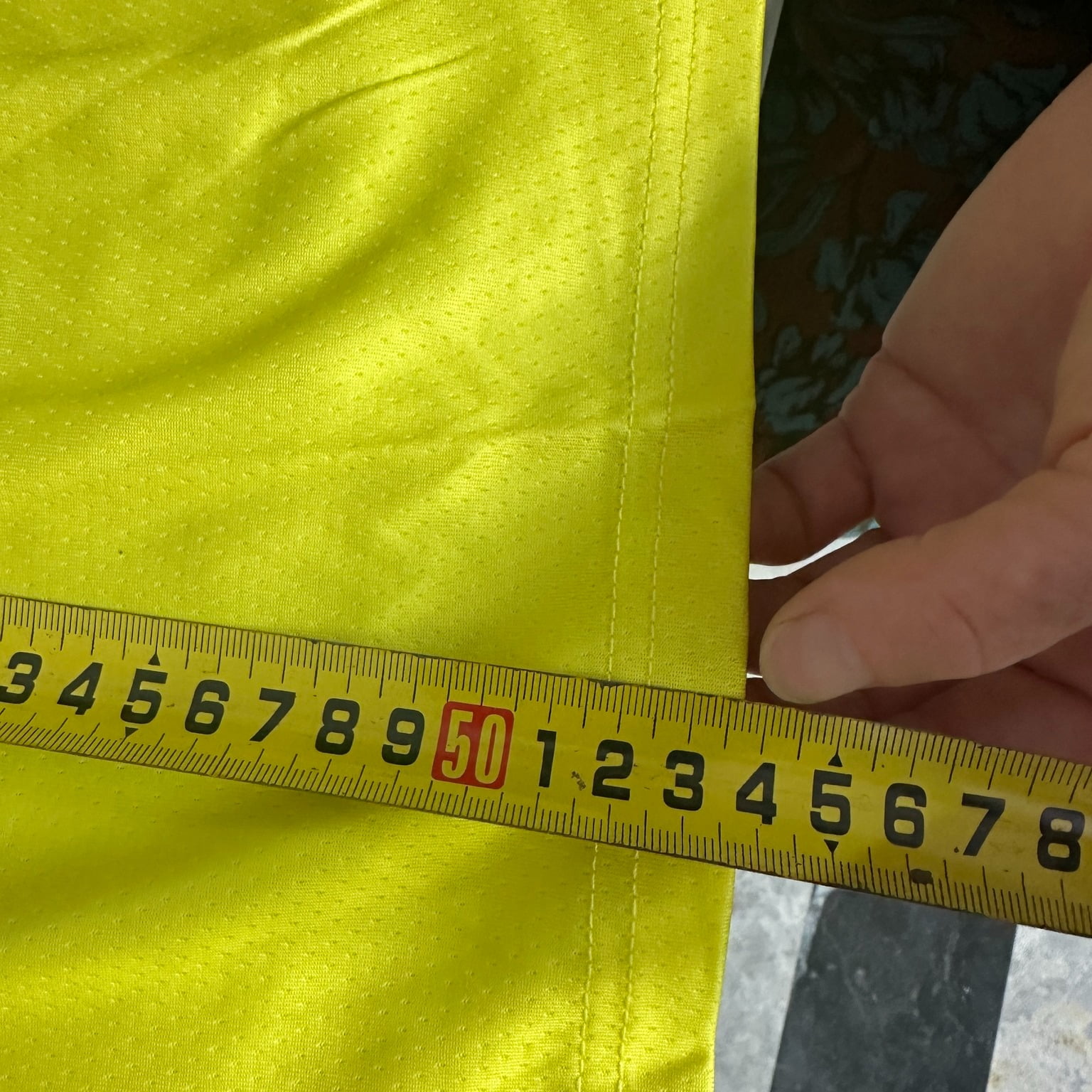
For football clubs, academies, importers, and sports brands, production does not end when jerseys are sewn.
Before products are packed and shipped, one important stage still remains:
final quality inspection.
Even small mistakes can create major problems after delivery.
A logo positioned a few centimeters too high, an incorrect player number, or inconsistent sizing across a large order may result in delays, complaints, or additional costs.
This is why professional sportswear suppliers usually perform detailed inspections before shipment.
Why Final Inspection Matters
Large football kit orders often involve many variables at the same time:
- Multiple sizes
- Player names
- Squad numbers
- Team logos
- Sponsor logos
- Different products within one order
When hundreds or thousands of garments are involved, small mistakes can easily be overlooked if inspection procedures are weak.
Final quality inspection helps reduce risks before products leave the factory.
Fabric and Material Inspection
The first check usually focuses on materials.
The production team confirms:
- Correct fabric type
- Fabric weight
- Material consistency
- Fabric defects
- Color consistency
For performance sportswear, fabric quality directly affects:
- Comfort
- Breathability
- Durability
- Moisture management
Size and Measurement Verification
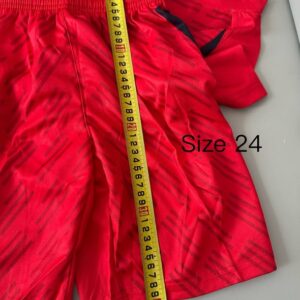
Size consistency becomes especially important for bulk teamwear projects.
Quality teams normally verify:
- Chest measurements
- Body length
- Sleeve length
- Shorts dimensions
- Size grading accuracy
Incorrect sizing can create major issues for clubs and distributors after delivery.
Logo Position and Logo Size Checking
Logo inspection is one of the most critical stages.
Inspection teams check:
- Club badge position
- Sponsor logo placement
- Logo dimensions
- Sleeve logo alignment
- Neck logo positioning
Even small differences may affect the overall appearance of the jersey.
Player Names and Numbers
Custom football kits often include individual player information.
Quality teams usually verify:
- Player names
- Squad numbers
- Font style
- Number positioning
- Color consistency
For team orders, even one missing or incorrect number can create unnecessary problems later.
Color Fastness and Print Quality
Printed areas should also be inspected.
Typical checks include:
- Color consistency
- Printing clarity
- Surface appearance
- Durability performance
For sublimation products, maintaining stable color quality is especially important.
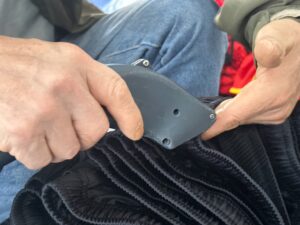
Stitching and Finishing Details
Finally, garments are inspected for finishing quality, including:
- Loose threads
- Stitching consistency
- Seam quality
- Overall garment appearance
Small finishing details often influence customer perception of product quality.
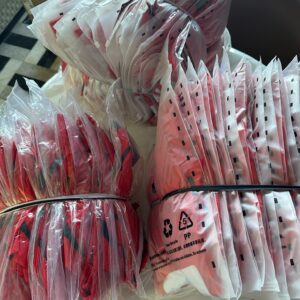
Quality Control Builds Long-Term Partnerships
Many buyers focus mainly on product price during supplier selection.
However, experienced importers often understand that long-term cooperation depends heavily on reliability and consistency.
Careful inspection processes help reduce:
- Rework
- Complaints
- Delivery issues
- Unexpected costs
For professional suppliers, quality control is not simply a final step.
It is part of building trust over time.