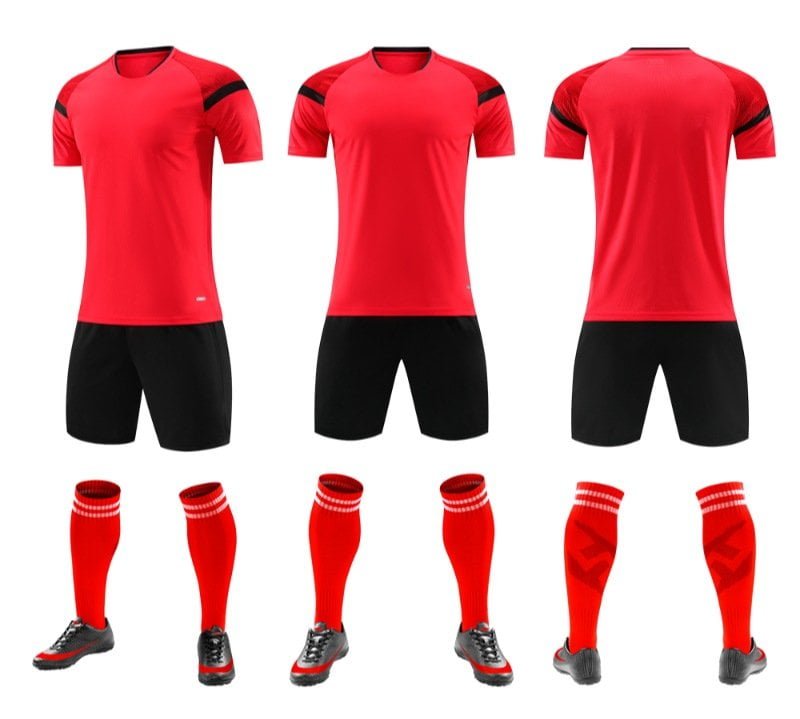
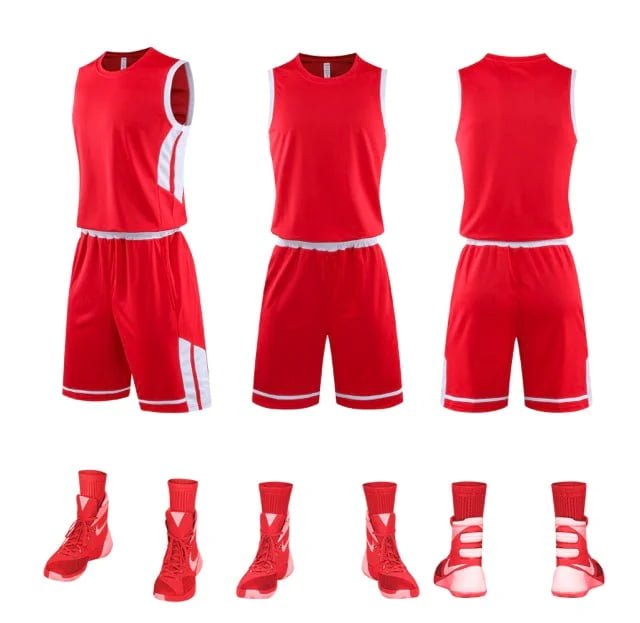
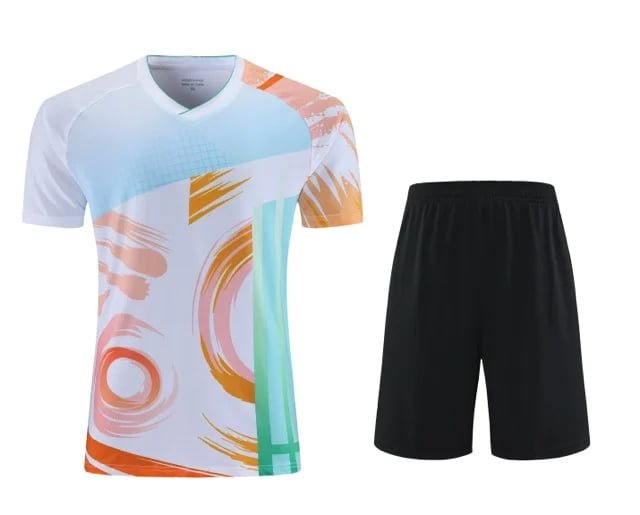
One of the most common questions buyers ask is:
“What is your MOQ for custom football kits?”
The answer depends on several factors — and understanding how MOQ works can help you plan better and avoid unnecessary costs.
Why Do Suppliers Have MOQ Requirements?
MOQ (Minimum Order Quantity) exists because production involves fixed setup costs, including:
- Fabric preparation
- Machine setup
- Printing and logo processing
- Labor and quality control
For small quantities, these costs cannot be efficiently distributed, which is why factories set minimum order requirements.
Typical MOQ for Custom Football Kits
In general, for fully customized football kits:
- Standard designs: around 10–50 sets per design
- Basic customization or template-based designs: sometimes lower MOQ is possible
- More complex or premium designs: higher MOQ may apply
The exact requirement depends on design complexity, materials, and production method.
High-End Logo Applications Require Higher MOQ
100∼300100 \sim 300100∼300
For orders using premium logo applications, such as:
- Silicone logos
- TPU heat transfer logos
- Embroidery logos
the MOQ is usually higher, typically starting from:
- 100–300 pieces per design
This is because these techniques require:
- Additional tooling or mold setup
- More complex production processes
- Higher production efficiency requirements
However, in some special cases, we can also adjust MOQ flexibly depending on the project.
What Happens If Your Order Is Below MOQ?
If your order is smaller than the required MOQ, you may face:
- Higher unit prices
- Limited fabric or design options
- Longer production time
- Additional setup costs
In some cases, small orders can still be accepted, but they require adjusted conditions.
How to Work with MOQ More Efficiently
Instead of trying to avoid MOQ completely, it is often better to manage it strategically.
1. Combine Different Items
You can group orders such as:
- Jerseys + shorts + socks
- Multiple sizes under one design
This helps optimize production efficiency while meeting MOQ.
2. Use Standard or Existing Designs
Using existing templates can:
- Reduce setup complexity
- Lower MOQ requirements
- Speed up sampling and production
This is especially useful for new teams or small brands.
3. Plan for Long-Term Demand
If you expect repeat orders, increasing quantity slightly in the first order can:
- Reduce unit cost
- Improve production efficiency
- Ensure consistency for future restocking
4. Understand the Balance Between MOQ and Flexibility
MOQ is not just a limitation — it is also a reflection of production efficiency.
- Lower MOQ → higher unit cost
- Higher MOQ → better pricing and stability
The goal is to find the right balance for your business needs.
Choosing the Right Supplier Matters
A reliable supplier should:
- Clearly explain MOQ rules
- Offer flexible solutions when possible
- Suggest alternatives based on your project
Flexibility is especially important for developing long-term cooperation.
Planning Your Order the Smart Way
Understanding MOQ in advance helps you:
- Avoid unexpected costs
- Plan production timelines properly
- Improve overall order efficiency
For teams, brands, and importers, this is a key step in building a stable supply chain.
Need Help with Your Project?
At Coolware, we support clients with flexible solutions based on real production conditions.
We can help with:
- MOQ planning for different product types
- Recommendations for cost optimization
- Sampling and production coordination
- One-stop sourcing for sportswear and accessories
👉 If you’re planning your next football kit order, feel free to reach out — we’ll help you find the most practical solution.