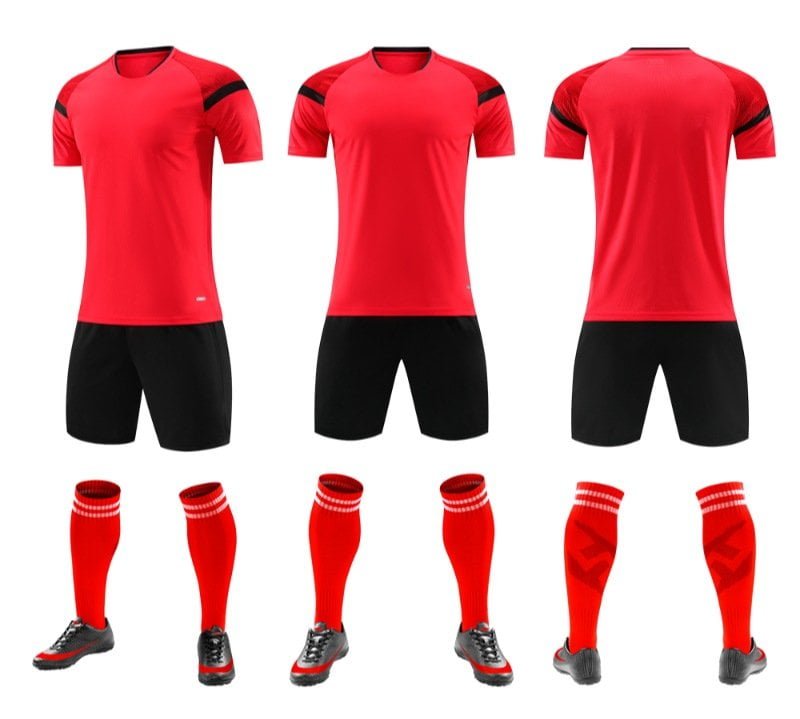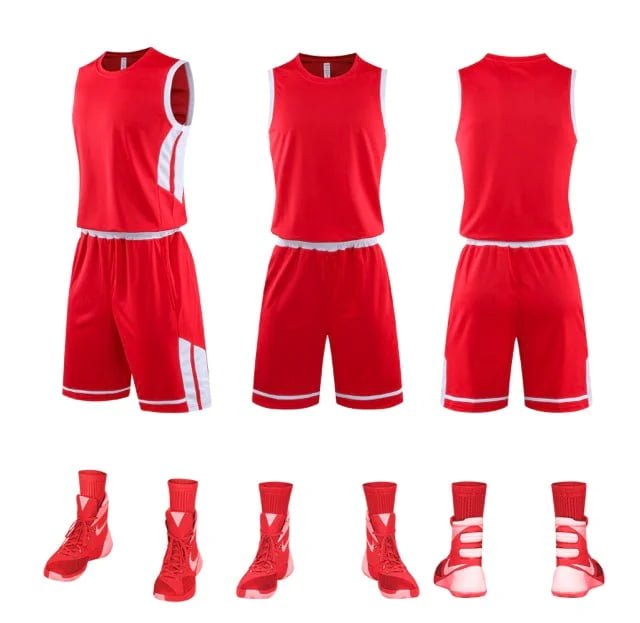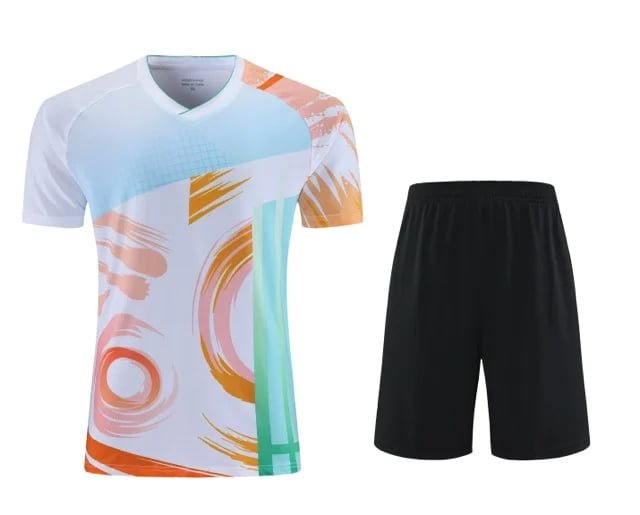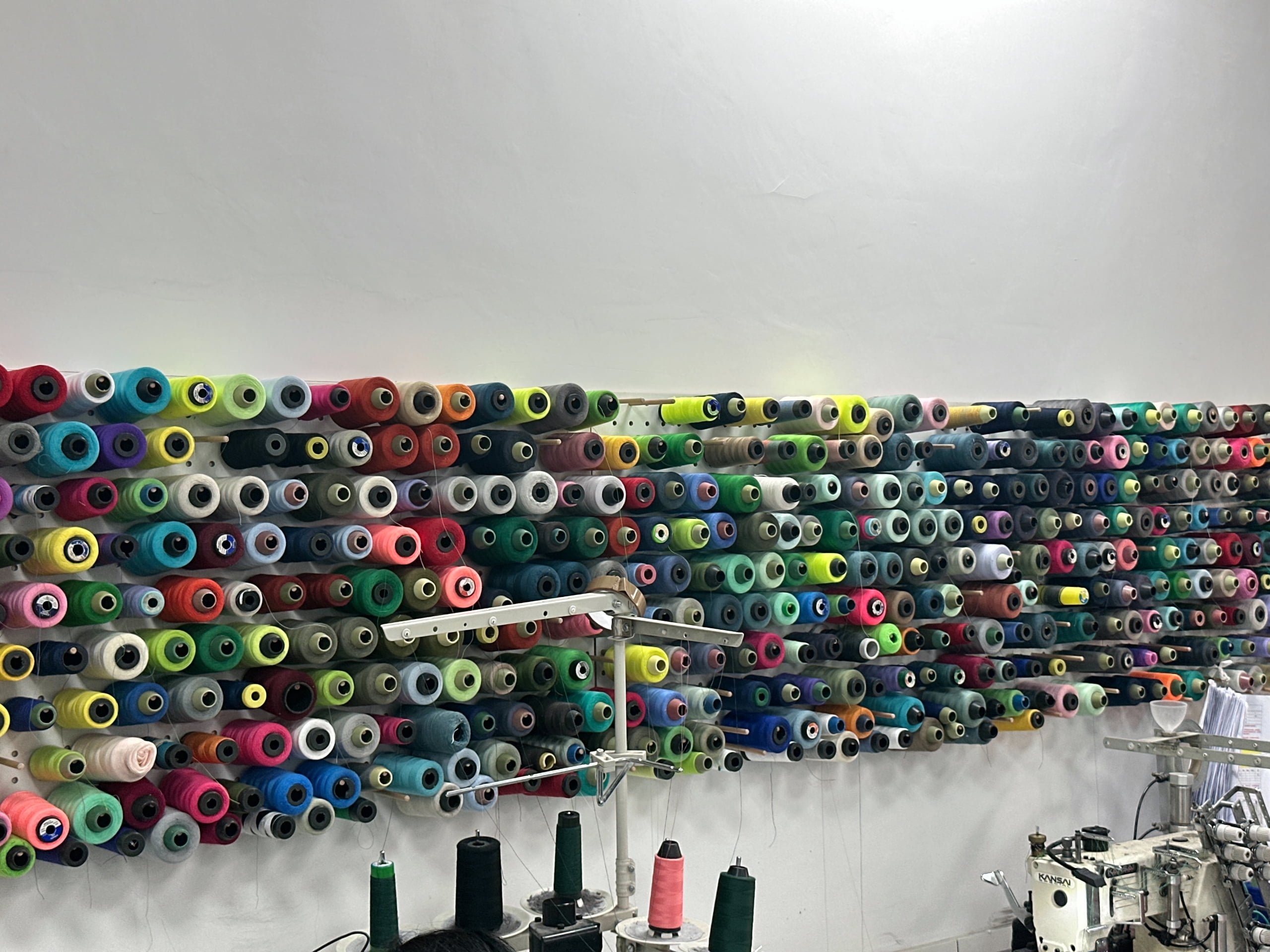
Customizing a team jersey is much more complex than many people initially expect.
A finished football kit may look simple on the field, but behind every custom jersey is a long process involving:
- Fabric selection
- Pattern development
- Collar shape confirmation
- Sleeve style adjustments
- Logo positioning
- Sponsor sizing
- Font selection
- Color matching
- Player numbering
For football clubs, academies, importers, and sports brands, even small mistakes can create major problems once bulk production begins.
This is why sample development plays such an important role in modern teamwear manufacturing.

Custom Teamwear Requires Precise Coordination
Unlike standard ready-made apparel, custom sportswear production involves many variables that must all work together correctly.
A typical custom jersey project may include:
- Multiple sponsor logos
- Different size ranges
- Team badges
- Player names and numbers
- Sleeve patches
- Customized collars
- Specific fabric requirements
Each detail affects the final appearance of the garment.
If one logo is slightly misplaced or one measurement is incorrect, the entire visual balance of the jersey can change.
For large academy or club orders, these small errors become even more expensive because they affect many garments at once.
Why Mockup Confirmation Is So Important
Before production starts, professional suppliers usually prepare a detailed digital mockup for customer approval.
The mockup acts as the visual production blueprint for the project.
It normally includes:
- Logo positions
- Logo measurements
- Font styles
- Number placement
- Color references
- Collar style
- Sleeve design
- Overall layout
This stage helps both the buyer and supplier confirm all important details before physical production begins.
A clear mockup can significantly reduce:
- Miscommunication
- Artwork errors
- Incorrect logo sizing
- Positioning mistakes
- Production revisions later
For larger projects, careful mockup confirmation is one of the most important steps in the entire process.
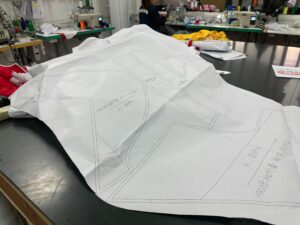
Good Samples Start With Good Pattern Making
Once the mockup is approved, production moves into pattern development and sample preparation.
Pattern making is one of the foundations of sportswear manufacturing.
The pattern determines:
- Jersey fit
- Sleeve balance
- Collar shape
- Movement comfort
- Size consistency
Professional pattern makers translate the approved design into physical garment structures that can be produced accurately.
This stage requires both technical knowledge and practical production experience.
Even a visually attractive design can perform poorly if the pattern itself is not developed properly.
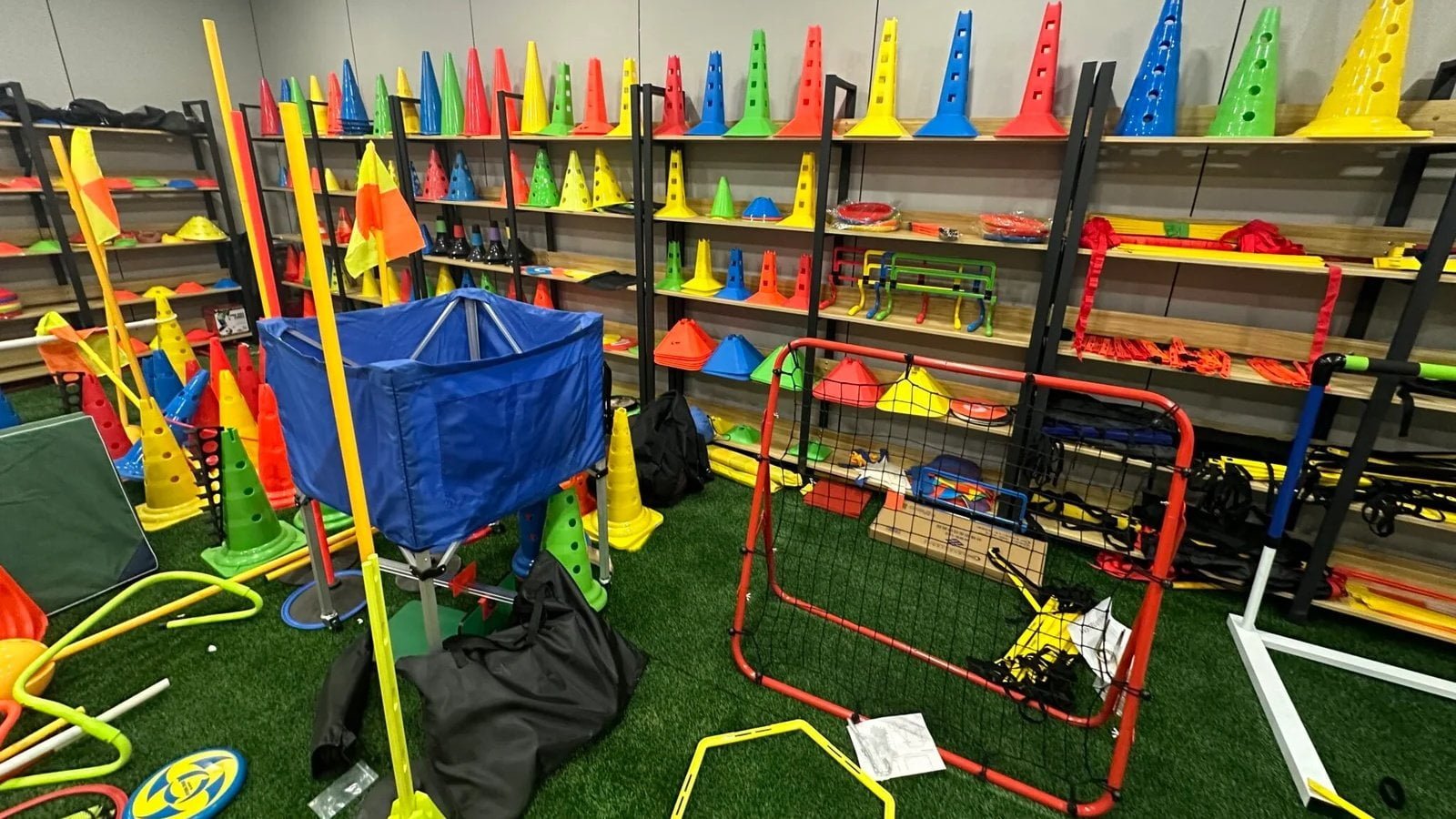
Why Dedicated Sampling Rooms Matter
In professional sportswear factories, sampling is often handled separately from bulk production.
Dedicated sampling workshops allow teams to focus carefully on:
- Construction accuracy
- Fabric behavior
- Print positioning
- Sewing details
- Fit testing
- Overall appearance
Sampling rooms are usually staffed by experienced workers because sample production often requires more detailed adjustments than mass production.
For custom sportswear projects, the sample stage is where many potential issues are identified and corrected before bulk manufacturing begins.
Why Accurate Samples Reduce Production Risks
A well-developed sample helps create a clear production standard for the entire order.
Once approved, the sample becomes the reference for:
- Fabric selection
- Logo placement
- Sewing details
- Size grading
- Printing quality
- Final garment appearance
This helps factories maintain better consistency during mass production.
For importers and sports brands, accurate samples also reduce the risk of:
- Costly rework
- Delivery delays
- Customer complaints
- Incorrect sizing
- Brand inconsistency
In large teamwear projects, preventing mistakes before production is usually much more efficient than fixing problems afterward.
Experience Still Matters in Sportswear Sampling
Although modern manufacturing uses advanced software and digital systems, human experience remains extremely important during sample development.
Experienced sampling workers often notice small issues that software alone cannot identify, such as:
- Fabric behavior during sewing
- Collar balance
- Sleeve shape
- Logo proportion
- Comfort during movement
This practical production knowledge helps improve both product quality and production reliability.
In many cases, the difference between an average supplier and a professional supplier is not only machinery — it is process control and production experience.
Why Serious Buyers Pay Attention to Sampling
Experienced importers and sports brands usually pay close attention to the sample stage because they understand how much it affects final production.
A strong sample process demonstrates:
- Communication ability
- Attention to detail
- Production understanding
- Process management
- Quality standards
For long-term B2B cooperation, this often builds more confidence than marketing claims alone.
A supplier that can consistently produce accurate samples is usually more capable of managing stable bulk production later.
Sample Development Is Part of Quality Control
Many people think quality control only happens after production.
In reality, quality control begins much earlier.
The sample stage itself is already part of the quality management process.
It helps confirm:
- Technical details
- Design feasibility
- Construction standards
- Production consistency
before large-scale manufacturing even starts.
This proactive approach helps reduce production risks throughout the entire project.
Behind Every Reliable Jersey Order
Most customers only see the finished jersey after delivery.
But behind every successful custom teamwear order is a detailed preparation process involving:
- Mockup confirmation
- Pattern making
- Sample development
- Technical adjustments
- Production coordination
Good samples are not created by luck.
They are the result of clear communication, experienced craftsmanship, organized workflows, and careful attention to detail.
For clubs, academies, importers, and sports brands, a strong sampling process is often one of the most important foundations for successful long-term sportswear production.