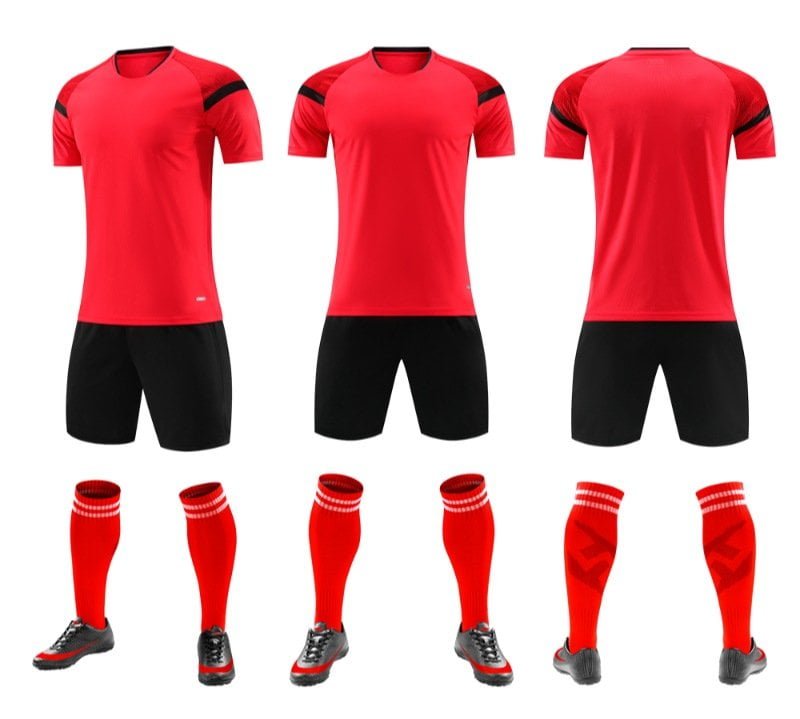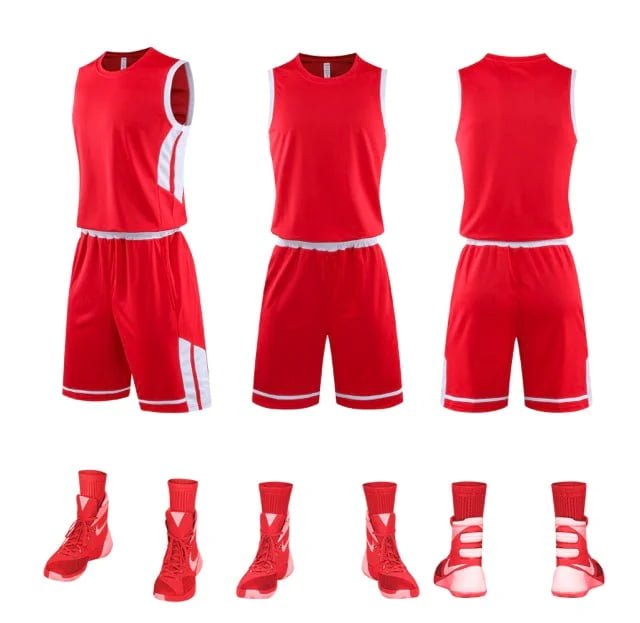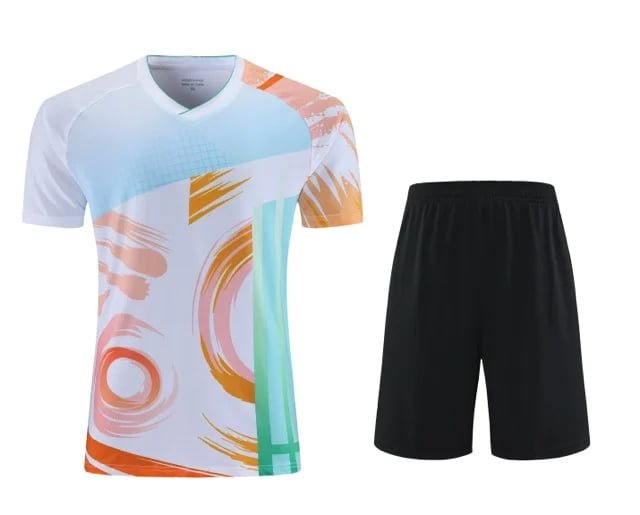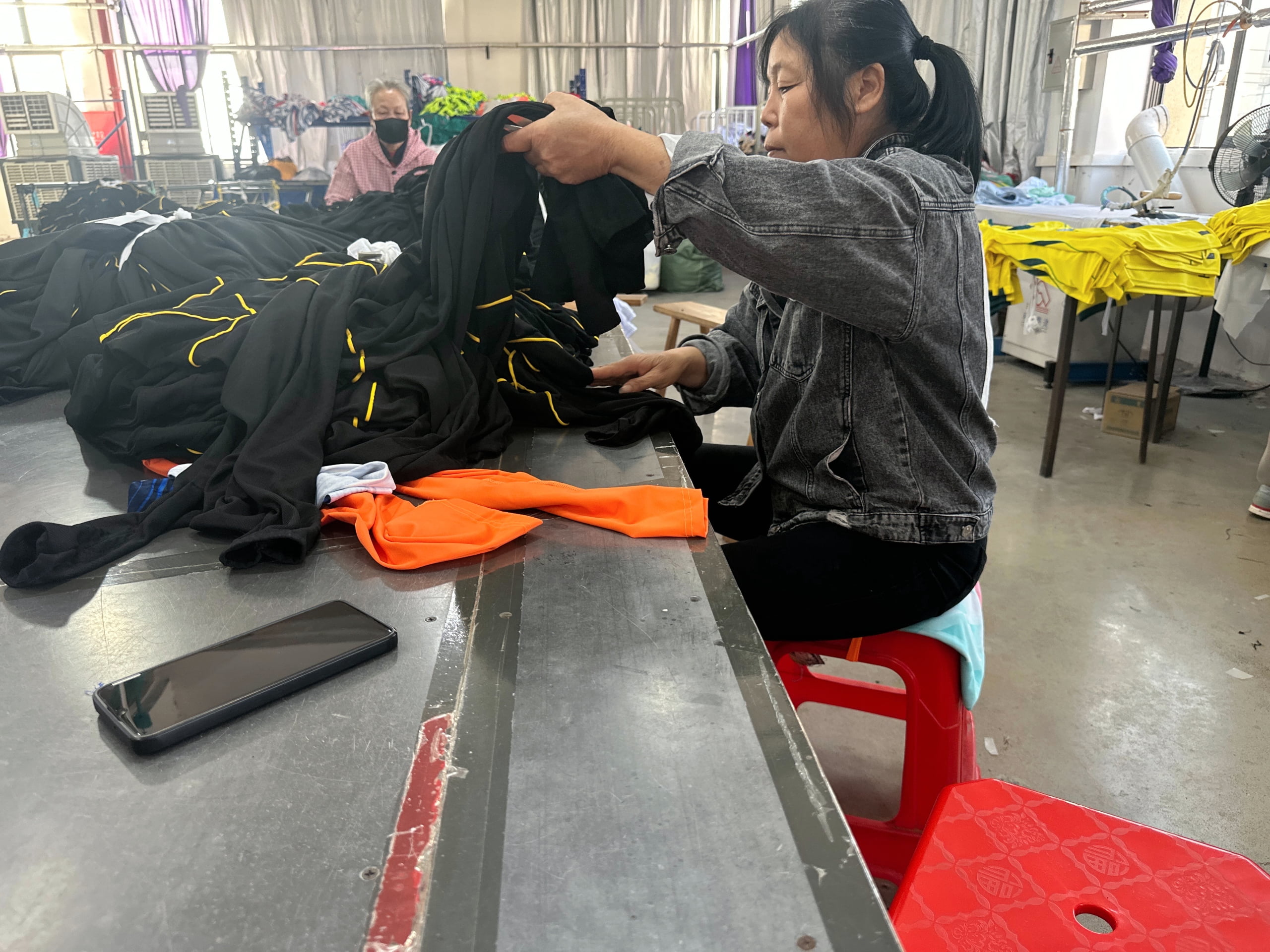
Have you ever washed your football jersey, only to notice that the sweaty smell comes back after the next game?
You are not alone.
Many athletes, academy players, and sportswear users experience the same problem — especially with modern performance jerseys made from polyester fabrics.
Even after regular washing, some jerseys still develop a strong odor over time. In some cases, the smell seems to disappear temporarily, only to return again once the fabric starts absorbing sweat during exercise.
So why does this happen?
The answer is closely related to how modern sportswear fabrics are designed.
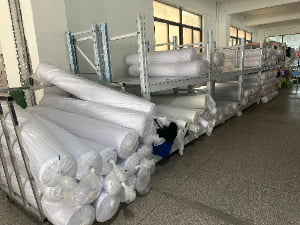
Why Most Sports Jerseys Use Polyester Fabric
Most football kits, training jerseys, and sportswear today are made primarily from polyester.
This is because polyester offers several important performance advantages:
- Lightweight feel
- Fast drying
- Moisture-wicking performance
- Durability
- Easy sublimation printing
- Good shape retention
For teamwear manufacturers and sports brands, polyester remains one of the best fabrics for high-performance athletic apparel.
However, polyester also has one weakness that many people notice after repeated use: odor retention.
Sweat Is Not the Real Problem
Interestingly, fresh sweat itself usually does not smell very strong.
The real issue comes from what happens after sweat stays inside the fabric.
During exercise, the body releases:
- Water
- Salt
- Natural skin oils
- Proteins
When these substances remain trapped in sportswear, bacteria begin breaking them down.
This process creates the unpleasant odor commonly associated with sweaty jerseys.
Why Polyester Traps Odors More Easily
Polyester fibers are excellent at moving moisture away from the skin, which helps athletes stay dry and comfortable.
But polyester is also oil-attracting, meaning it tends to hold onto body oils more easily than natural fabrics like cotton.
Over time:
- Sweat oils build up inside the fibers
- Bacteria remain trapped in the fabric
- Standard washing may not fully remove them
This is why some jerseys may smell clean immediately after washing but develop odor again once the fabric becomes warm or damp during the next workout.
The odor is often embedded deeper inside the fabric structure, not only on the surface.

Why Sports Jerseys Smell More Than Cotton Shirts
Many people notice that sports jerseys develop odor faster than regular cotton clothing.
This mainly comes down to fabric structure.
Cotton absorbs moisture differently and is generally easier to clean deeply using normal washing methods.
Performance polyester fabrics are designed for:
- Breathability
- Quick drying
- Sweat transfer
rather than odor absorption control.
This is one reason why technical sportswear requires slightly different washing methods compared to everyday clothing.
Common Washing Mistakes That Make Odor Worse
Some washing habits can actually make sportswear odor problems worse over time.
Leaving Jerseys Wet for Too Long
After training or matches, many players leave jerseys inside bags or lockers for several hours.
Warm and damp environments allow bacteria to multiply quickly.
The longer sweat stays trapped inside the fabric, the harder the odor becomes to remove later.
Using Too Much Detergent
Surprisingly, excess detergent can create buildup inside polyester fibers.
This buildup may trap bacteria and sweat residues even more.
Using the correct amount of detergent is usually more effective than overusing it.
Washing With Hot Water
Many people assume hot water cleans better.
However, very hot water can sometimes damage performance fabrics or affect printed logos and numbers.
Cold or mild-temperature washing is usually safer for sports jerseys.
Not Turning Jerseys Inside-Out
Most sweat, bacteria, and body oils remain on the inside surface of the jersey.
Turning sportswear inside-out before washing helps detergents clean these areas more effectively.
It also helps protect printed logos and numbers during the wash cycle.
How to Keep Sports Jerseys Smelling Fresher
Fortunately, there are several simple ways to improve sportswear hygiene and reduce odor buildup.
Wash Jerseys Soon After Use
The faster jerseys are washed after training or matches, the better.
Allowing sweat to dry inside the fabric for long periods increases odor retention.
Use Cold Water
Cold water helps protect:
- Sublimation prints
- Heat transfer logos
- Fabric elasticity
- Moisture-wicking performance
while still removing most sweat and bacteria effectively.
Choose Sportswear-Friendly Detergents
Some detergents are specifically designed for performance fabrics.
These products target:
- Sweat oils
- Bacteria
- Synthetic fiber buildup
more effectively than standard detergents.
Avoid Fabric Softeners
Fabric softeners may reduce the breathability of performance fabrics.
In some cases, they can leave residues that trap odors more easily.
Air Dry When Possible
High heat from dryers can sometimes damage sportswear materials over time.
Air drying is usually safer for maintaining:
- Fabric performance
- Print durability
- Elasticity
- Overall garment lifespan
Why Fabric Quality Also Matters
Not all polyester sportswear performs the same way.
Higher-quality sports fabrics often feature:
- Better moisture management
- Improved breathability
- Faster drying
- Softer texture
- More stable fiber structures
These factors can help reduce odor buildup compared to very low-cost fabrics.
This is one reason why professional clubs and serious sports programs often invest in better-quality teamwear materials for long-term use.
The Growing Demand for Performance Teamwear
As sportswear technology continues developing, many brands and manufacturers are now focusing not only on appearance, but also on:
- Comfort
- Breathability
- Durability
- Hygiene performance
- Moisture control
For football clubs, academies, and sports brands, fabric performance has become an increasingly important part of product selection.
Modern athletes expect jerseys that not only look professional, but also remain comfortable and functional after repeated training sessions and washing cycles.
Final Thoughts
Sports jerseys smell after washing because performance fabrics like polyester can trap sweat oils and odor-causing bacteria deep inside the fibers.
This does not mean the jersey is low quality — it is actually a common characteristic of many technical sports fabrics.
With proper washing habits, suitable detergents, and good fabric care, teamwear can stay fresher, more comfortable, and last much longer.
As sportswear continues evolving, understanding how performance fabrics work is becoming just as important as choosing the right design or fit.