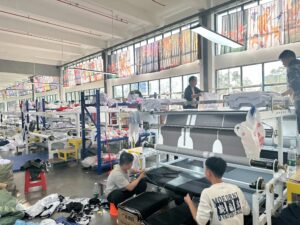
For many sports academies and football organizations, ordering custom teamwear used to be relatively simple.
A supplier for jerseys.
Another for training equipment.
Another for caps, socks, or accessories.
But as sports programs grow larger and more professional, this fragmented sourcing model is becoming increasingly difficult to manage.
In 2026, more academies, football clubs, and sports organizations are moving toward one-stop suppliers that can handle both apparel and related accessories under one coordinated system.
The reason is not only about convenience.
It is about reducing operational pressure, improving consistency, and minimizing costly mistakes.
The Problem With Managing Multiple Suppliers
For small local teams, working with multiple vendors may still be manageable.
But for larger organizations — especially those managing multiple age groups, campuses, or seasonal programs — supplier coordination quickly becomes complicated.
Common problems include:
- Different logo colors between products
- Delayed communication between suppliers
- Separate shipping schedules
- Inconsistent product quality
- Repeated artwork confirmation processes
- Higher freight costs
- Packaging confusion during distribution
Many academy managers eventually realize that ordering from several different factories often creates more internal work than expected.
Instead of focusing on athlete development and business growth, staff members spend excessive time coordinating orders, confirming details, and solving supply chain problems.
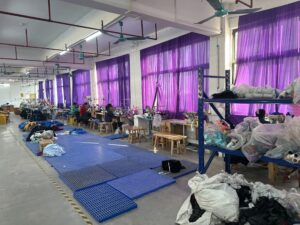
Why One-Stop Sourcing Is Becoming More Popular
A one-stop supplier provides multiple related product categories under one coordinated workflow.
This may include:
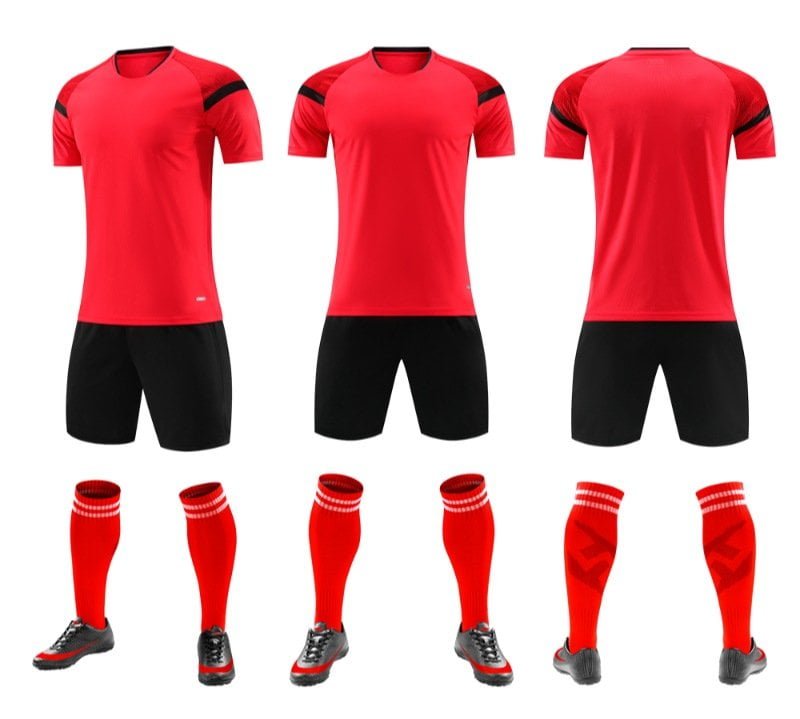
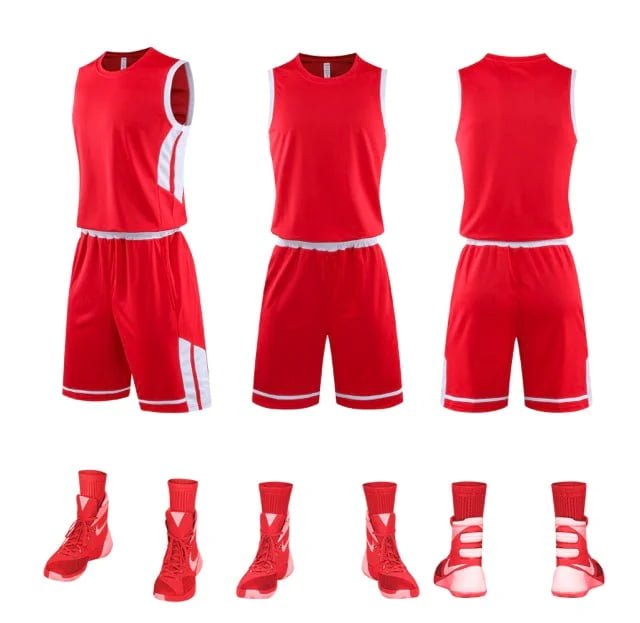
- Custom football kits
- Training wear
- Team vests
- Socks
- Caps and hats
- Sports sunglasses
- Water bottles and drinkware
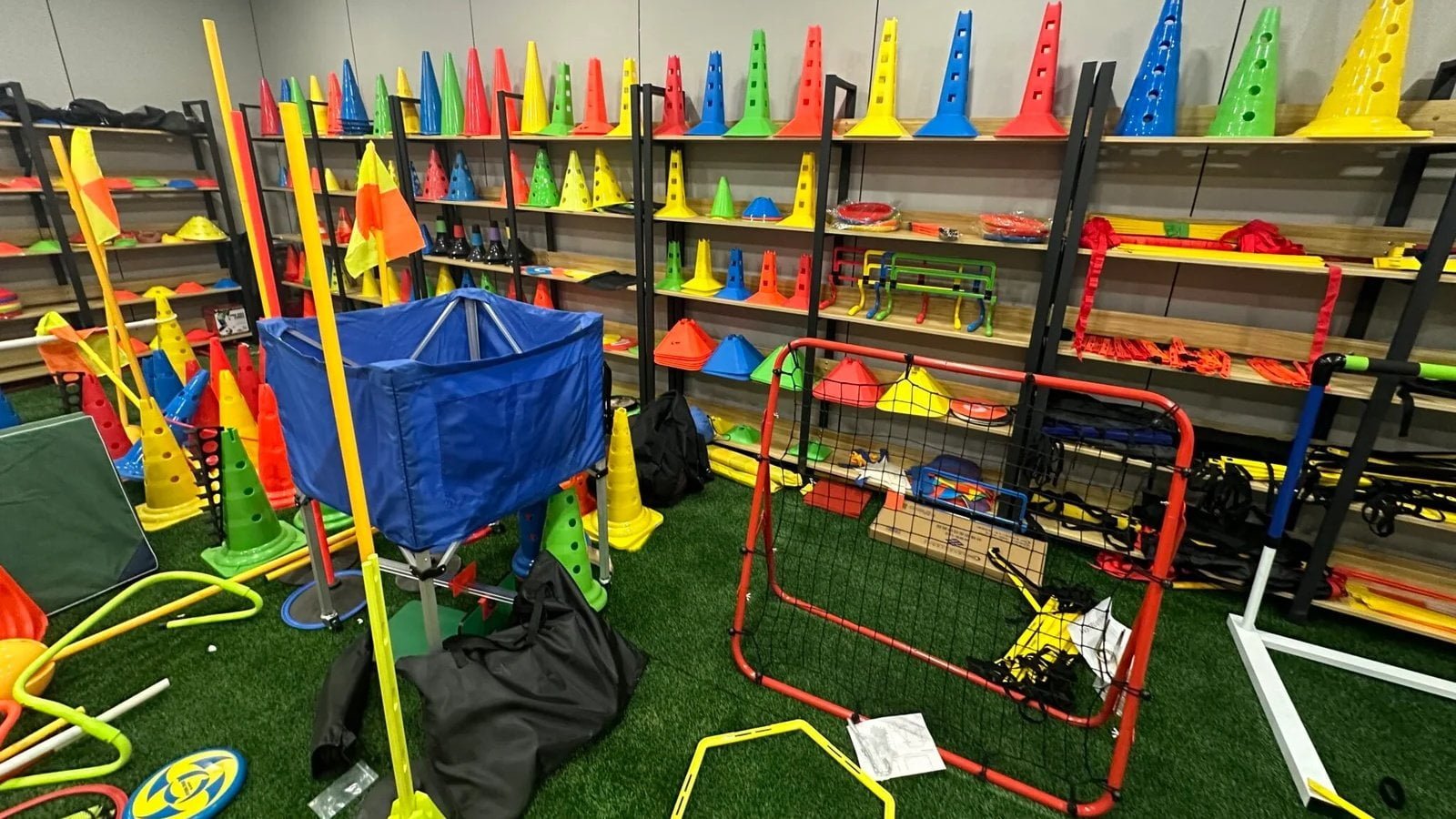
- Training equipment
- Fan merchandise
For growing sports organizations, this creates several important advantages.
Better Brand Consistency Across All Products
Large academies increasingly care about branding consistency.
Parents, sponsors, athletes, and fans all notice when products do not match properly.
One common issue occurs when apparel and accessories are produced by different suppliers using slightly different logo files or color standards.
For example:
- Jerseys use one shade of navy blue
- Caps use another
- Water bottles use a slightly different logo proportion
- Socks arrive with incorrect numbering colors
These details may seem small individually, but together they affect the professionalism of the organization.
Working with one coordinated supplier helps ensure:
- Consistent Pantone color management
- Unified logo positioning
- Matching artwork standards
- Coordinated packaging presentation
For academies building long-term brand identity, consistency matters.
Easier Communication and Faster Project Management
One of the biggest hidden costs in international sourcing is communication management.
When multiple suppliers are involved, buyers often need to:
- Repeat the same instructions several times
- Coordinate artwork across factories
- Track different production timelines
- Handle multiple payment schedules
- Solve quality issues separately
This becomes especially difficult during peak seasons before tournaments or league launches.
A one-stop supplier simplifies communication by centralizing project management.
Instead of contacting five different vendors, the buyer works with one coordinated team that manages:
- Production scheduling
- Artwork coordination
- Sampling
- Quality control
- Packing
- Shipment planning
For many large academies, reducing communication complexity is just as valuable as reducing product costs.
More Efficient Shipping and Inventory Planning
Shipping coordination becomes much easier when products are consolidated.
Without integrated sourcing, organizations often receive:
- Jerseys arriving first
- Accessories arriving weeks later
- Separate customs documentation
- Multiple freight charges
- Different packaging systems
This creates operational challenges for academy staff responsible for distribution.
Consolidated production and shipment planning can help reduce:
- Freight costs
- Customs handling complexity
- Warehouse sorting time
- Delivery delays
For organizations managing hundreds or thousands of products each season, operational efficiency becomes increasingly important.
Why Large Academies Are Looking Beyond “Cheapest Price”
Experienced buyers understand that the lowest unit price does not always create the lowest total cost.
A cheaper supplier can still become expensive if the project suffers from:
- Miscommunication
- Repeated revisions
- Delayed production
- Incorrect sizing
- Logo mistakes
- Re-shipping costs
- Missed tournament deadlines
This is why many larger organizations now prioritize:
- Reliability
- Communication quality
- Process management
- Long-term cooperation
- Consistent quality
over simply finding the lowest possible quote.
In practice, strong project coordination often saves more money than aggressive price negotiations.
The Growing Importance of Long-Term Supplier Relationships
Many successful academies now prefer building stable long-term relationships with suppliers who understand their systems and operational needs.
Over time, this creates significant advantages:
- Faster reorder processes
- Archived logo and artwork files
- More accurate size forecasting
- Better production planning
- Easier new season launches
- More consistent product quality
Long-term cooperation also reduces risk.
A supplier who already understands the academy’s standards can often identify potential problems before production even begins.
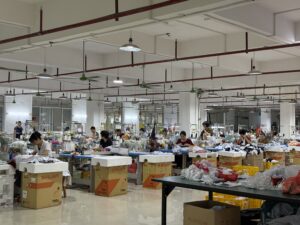
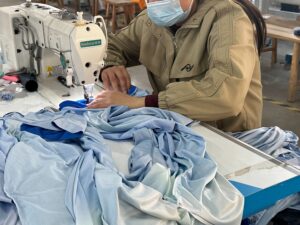
Choosing the Right One-Stop Sportswear Supplier
Not every supplier can successfully manage integrated sports product sourcing.
When evaluating potential partners, buyers should consider:
Product Coordination Experience
Can the supplier manage multiple product categories together?
Communication Speed
Are responses clear, professional, and organized?
Quality Control Process
Does the supplier have a structured QC workflow before shipment?
Customization Capability
Can they handle different logo methods, numbering systems, and packaging requirements?
International Shipping Experience
Do they understand export processes, customs documentation, and delivery coordination?
These factors often matter more than simply comparing prices.