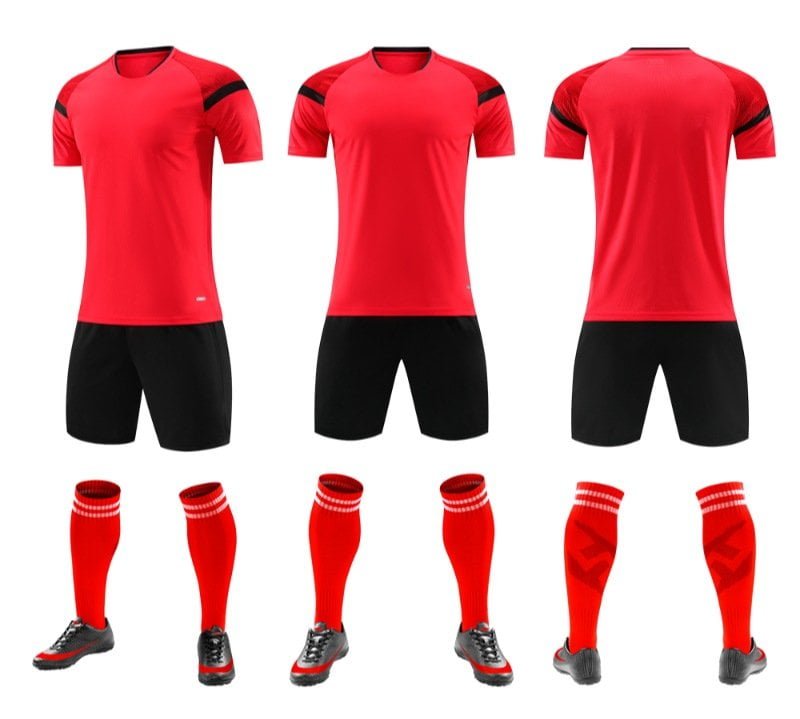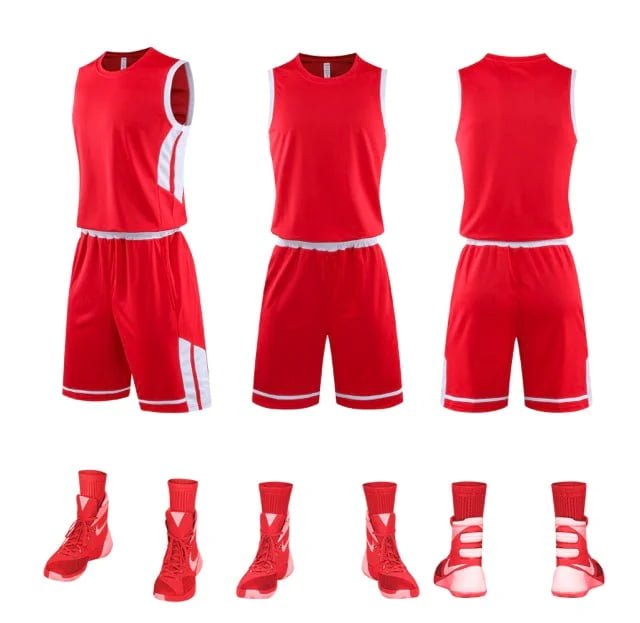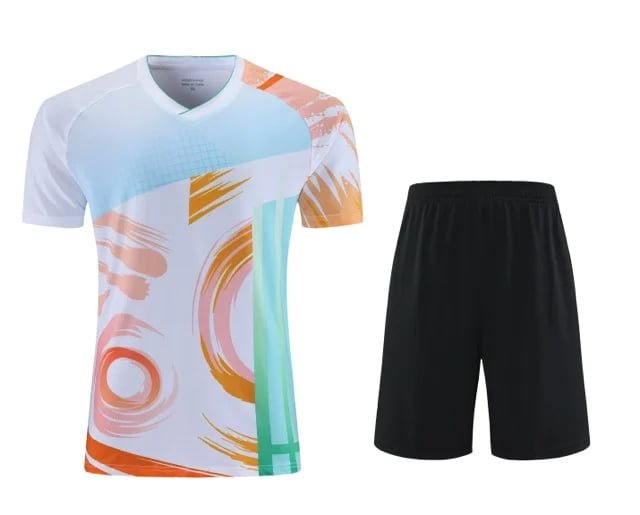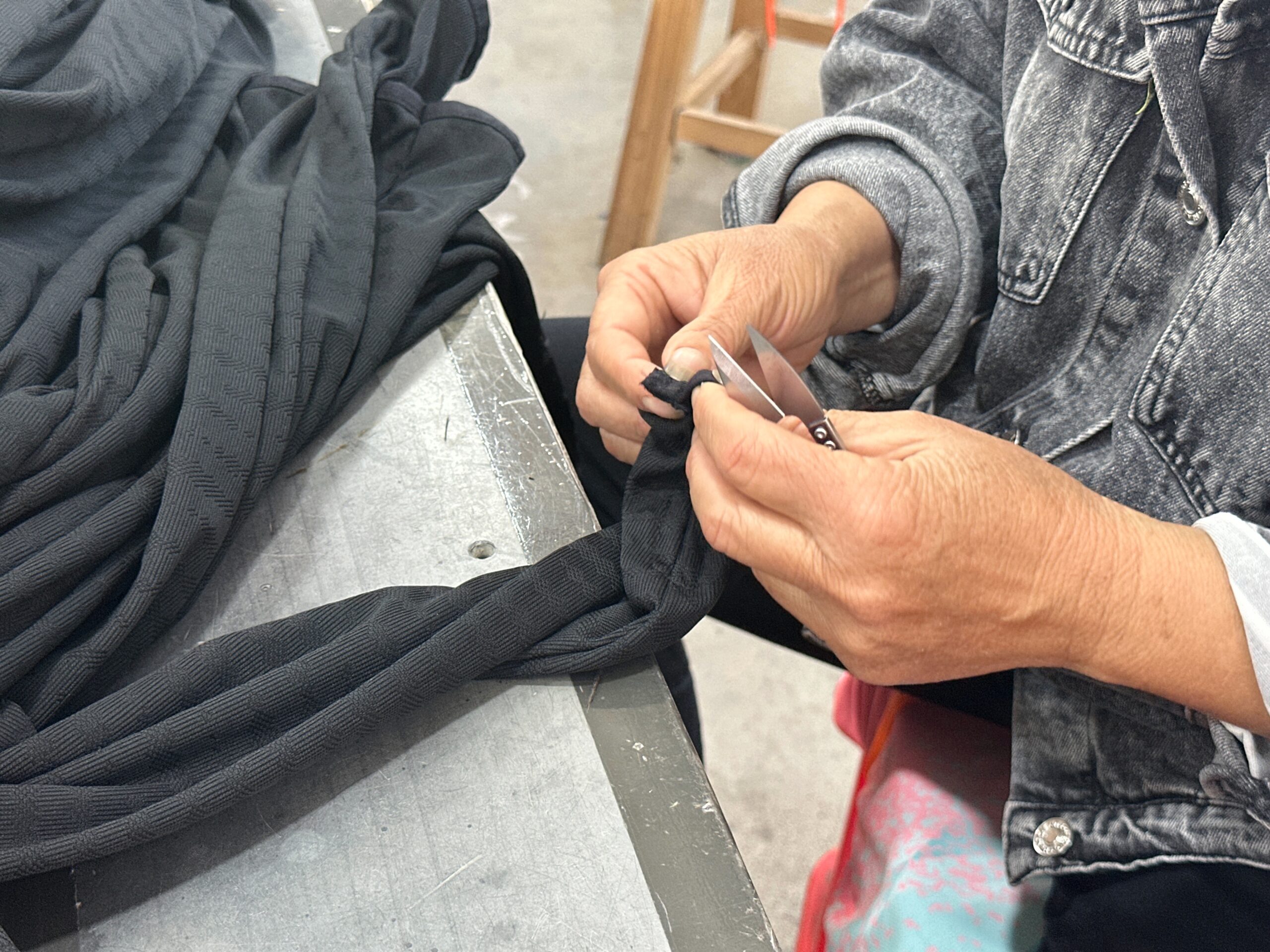
Many people imagine sportswear production as a fully automated process.
But in reality, most custom jerseys are still heavily dependent on skilled manual sewing work.
Behind every finished football kit are experienced workers handling:
- Sewing
- Panel assembly
- Collar attachment
- Sleeve construction
- Stitching adjustments
- Final finishing
Even in modern factories using advanced printing and cutting equipment, jersey sewing itself remains largely handmade.
Because of this, one question occasionally comes up during production inspections:
“Why are there sometimes loose threads on unfinished jerseys?”
The answer is closely related to how high-volume sportswear manufacturing actually works.
Sports Jerseys Are Still Largely Handmade
Although many production stages now use automation, sewing is still one of the most labor-intensive parts of sportswear manufacturing.
Each jersey passes through multiple sewing operations, including:
- Shoulder stitching
- Side seams
- Sleeve attachment
- Collar construction
- Hem finishing
In large production environments, workers often operate at a very fast pace in order to meet delivery schedules for clubs, academies, importers, and sports brands.
During this process, small leftover threads can occasionally remain temporarily on unfinished garments.
This is completely normal during active production.


Loose Threads Do Not Mean Poor Quality
Many buyers mistakenly assume that loose threads automatically indicate low-quality production.
In reality, temporary sewing threads are common in apparel manufacturing — especially before the final finishing stage.
Loose threads themselves usually do not affect:
- Fabric quality
- Stitching strength
- Jersey durability
- Printing quality
- Garment performance
What matters more is whether the factory has a proper finishing and inspection process before shipment.
Professional sportswear production should always include thread-cleaning procedures before packing.
Why Thread Trimming Is Part of the Production Process
After sewing is completed, jerseys move into the finishing stage.
At this point, workers inspect the garments and remove excess threads left during assembly.
This is an important step because finished teamwear should present a clean and professional appearance before shipment.
For many football clubs, academies, and sports brands, appearance consistency is an important part of product quality.
Two Common Thread-Trimming Methods in Sportswear Manufacturing
Most professional sportswear factories use a combination of machine-assisted and manual trimming methods.
Electric Thread Trimming
Electric thread trimming tools help remove larger or more visible loose threads quickly and efficiently.
This improves:
- Production efficiency
- Finishing speed
- Overall garment cleanliness
Electric trimming is especially useful during large production runs involving thousands of jerseys.


Manual Scissor Trimming
After electric trimming, workers often perform a second manual inspection using scissors.
This stage focuses on:
- Small leftover threads
- Detailed finishing areas
- Collar edges
- Sleeve connections
- Hard-to-reach stitching points
Manual trimming helps improve the final presentation of the jersey before packing.
For higher-end sportswear projects, this step is especially important.
Why Quality Control Matters Before Packing
Thread trimming is usually part of the broader quality control process.
Before jerseys are packed, QC teams often inspect:
- Loose threads
- Stitching quality
- Print alignment
- Logo placement
- Size accuracy
- Fabric defects
- Player names and numbers
For large academy, club, and importer orders, these inspections help reduce shipment problems and improve consistency across the entire order.
A clean finishing process also reflects the professionalism of the supplier.
Fast Production Requires Good Process Management
Modern teamwear factories often work under tight production schedules, especially during:
- Tournament seasons
- League launches
- Peak ordering periods
- Academy registration periods
This means production speed becomes very important.
However, speed alone is not enough.
A professional factory also needs systems that maintain quality while handling high output efficiently.
That includes:
- Organized sewing workflows
- Finishing procedures
- QC checkpoints
- Packing inspections
Strong process management is often what separates stable suppliers from inconsistent ones.
Why Finishing Details Matter for Sports Brands and Importers
For importers and sports brands, small details strongly affect customer perception.
Even if the jersey itself performs well, unfinished presentation can reduce the perceived product quality.
Clean finishing helps create:
- Better retail presentation
- Higher customer satisfaction
- Stronger brand image
- More professional product appearance
This is one reason why finishing and inspection stages remain important parts of sportswear production.

Handmade Production Still Plays an Important Role
Even as manufacturing technology continues improving, experienced workers remain essential in sportswear production.
Machines can improve:
- Cutting precision
- Printing efficiency
- Production speed
But skilled workers are still needed for:
- Sewing quality
- Garment construction
- Inspection
- Finishing
- Final quality control
Modern sportswear manufacturing is ultimately a combination of technology, craftsmanship, and process management working together.
Behind Every Finished Jersey
Most customers only see the final jersey after it arrives.
But behind every finished football kit is a long production process involving:
- Fabric preparation
- Printing
- Cutting
- Sewing
- Thread trimming
- Inspection
- Packing
Loose threads may occasionally appear temporarily during active production, but proper finishing procedures help ensure that the final product delivered to the customer remains clean, professional, and ready for use.
For professional sportswear suppliers, the goal is not simply to produce jerseys quickly — it is to deliver products that customers feel confident using, selling, and representing their teams with.