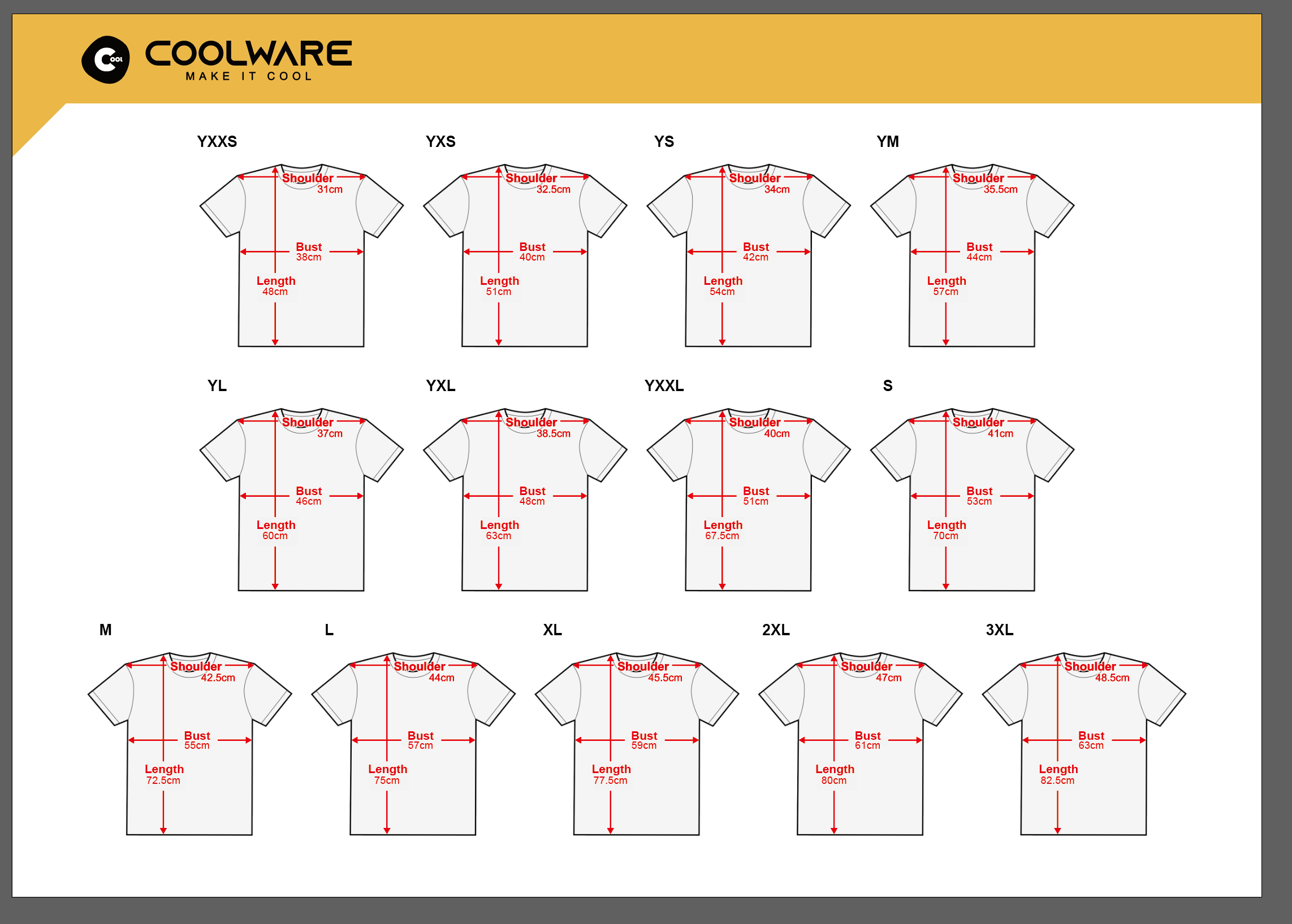
Why Sportswear Size Charts Differ Between Factories
One of the most common questions in custom sportswear production is surprisingly simple:
“Why do different factories use different size charts?”
For many football clubs, academies, importers, and sports brands, sizing confusion becomes a real challenge during product development and ordering.
A jersey labeled “L” from one supplier may fit completely differently from another factory’s “L.”
This often leads buyers to wonder:
Which size chart is actually correct?
The answer is more complicated than many people expect.
There Is No Universal Sportswear Size Standard
Unlike some industrial products, sportswear does not follow one single global sizing system.
Different factories build garments based on:
- Different body measurements
- Different pattern-making systems
- Different fit preferences
- Different target markets
Because of this, size charts can vary significantly between suppliers.
This is especially common in custom football kits and teamwear production.
Different Markets Prefer Different Fits
Sizing preferences vary greatly across regions.
For example:
European markets
Many European customers prefer:
- Slightly athletic fits
- Modern silhouettes
- Balanced comfort and movement
North American markets
Many North American customers often prefer:
- Slightly looser fits
- More relaxed sizing
- Additional comfort during casual wear
Youth academies
Youth training programs may prioritize:
- Easy movement
- Growth allowance
- Durability during training
Because different customer groups expect different fits, suppliers often adjust their size charts based on the markets they serve most frequently.
Why Pattern Making Matters
Size charts are closely connected to garment patterns.
Even if two jerseys use identical chest measurements, the overall fit may still feel different because of:
- Sleeve shape
- Shoulder width
- Body tapering
- Collar construction
- Fabric stretch
- Garment length
This is why experienced sportswear factories invest heavily in pattern development.
Good sizing is not simply about numbers — it is about how the garment fits during movement.
Real Projects Help Improve Size Accuracy
Many factories refine their sizing systems over time through real production experience.
After repeated orders, customer feedback, and sample testing, suppliers gradually optimize their size charts for specific markets.
This process may involve:
- Adjusting fit balance
- Modifying garment proportions
- Improving grading between sizes
- Refining youth and adult sizing separately
For long-term sportswear suppliers, sizing improvements often come from years of real-world project experience rather than theoretical measurements alone.
Why Slightly Relaxed Fits Are Often Preferred
In modern teamwear production, many buyers prefer slightly relaxed fits instead of extremely tight athletic cuts.
This is especially common for:
- Football academies
- Amateur clubs
- Training programs
- Fan merchandise
- Multi-age teams
Slightly looser fits often provide:
- Better comfort
- Easier movement
- Broader body-type compatibility
- Reduced sizing complaints
For large B2B orders, choosing balanced sizing can help reduce fitting issues across different customer groups.
Why Samples Are Important Before Bulk Production
Because sizing preferences vary, serious buyers often confirm sizing through samples before mass production begins.
A sample allows teams to evaluate:
- Overall fit
- Fabric behavior
- Sleeve length
- Comfort during movement
- Sizing consistency
This is especially important for importers and sports brands developing long-term product lines.
Sample confirmation helps reduce production risks later.
Communication Helps Avoid Sizing Problems
One of the biggest causes of sizing issues is unclear communication.
Professional suppliers usually discuss:
- Target market
- Intended fit style
- Customer preferences
- Size expectations
- Previous sizing experience
before finalizing production.
This helps both sides align expectations more accurately before sampling and bulk manufacturing begin.
Why “Correct” Sizing Depends on the Customer
In sportswear manufacturing, there is rarely one universally “correct” size chart.
The best sizing system is usually the one that matches:
- The target market
- The intended fit
- The end-user preference
- The product purpose
For this reason, experienced suppliers continue adjusting and improving sizing systems based on real customer feedback and production experience.
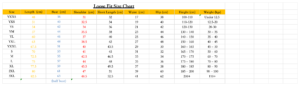
Sizing Is One of the Most Important Parts of Teamwear Production
For football clubs, academies, sports brands, and distributors, sizing strongly affects:
- Customer satisfaction
- Product comfort
- Return rates
- Brand perception
- Long-term repeat orders
This is why sizing development is often treated as a core part of professional sportswear production rather than a simple technical detail.
Well-developed size charts are usually the result of long-term testing, communication, adjustment, and real-world project experience across different markets and customer groups.